


Public health aspects – misuse and inappropriate use of antibiotics
- University of Novi Sad, Faculty of Medicine, Novi Sad, Serbia
- Health Center of Novi Sad, Novi Sad, Serbia
- Institute of Public Health of Vojvodina, Novi Sad, Serbia
ABSTRACT
Introduction/Aim: Since their discovery, antibiotics have represented a key defense against bacterial infections, but an increasing number of strains are developing resistance through spontaneous genetic mutations and the acquisition of resistance genes, a process further stimulated by their improper and frequent use. This literature review encompasses studies published between 2010 and 2024 and analyzes four key areas: the misuse and inappropriate application of antibiotics, the development of superbugs, the global aspects of antimicrobial resistance (AMR), and preventive strategies with an emphasis on the role of vitamins. This review aims to present evidence on antibiotic misuse, resistance development, and preventive strategies, with particular attention to the importance of vitamins in maintaining immunity and improving the functioning of healthcare systems.
Methods: This literature review includes studies published from 2010 to 2024, focusing on the analysis of antibiotic misuse, the development of superbugs, the global impact of AMR, and the role of vitamins in prevention strategies.
Results: The results indicate that the most common causes of inadequate therapy are self-medication, prescription without microbiological confirmation, and poor communication between physicians and patients. AMR has been recognized as one of the greatest threats to public health, with significant consequences for morbidity, mortality, and healthcare system costs. Preventive measures include education of healthcare professionals and the general population, regulation of antibiotic sales, the development of new diagnostic and therapeutic methods, and the promotion of healthy lifestyle habits. Of particular importance are vitamins with antioxidant properties (retinol, tocopherol, and L-ascorbic acid), which may reduce the need for antibiotics, especially with the contribution of vitamin D, known to stimulate the immune system.
Conclusion: An integrated approach, in line with the One Health concept, is crucial for preserving the effectiveness of existing drugs and reducing the public health burden caused by AMR.
INTRODUCTION
Recent figures underscore a significant dilemma within healthcare systems worldwide. Estimates suggest that AMR could result in 10 million deaths annually on a global scale and a reduction of the global gross domestic product by 2% to 3.5%, with economic consequences potentially reaching 100 trillion US dollars by 2050 [1],[2],[3]. The rising incidence of infections and deaths associated with antimicrobial resistance (with around 70% of infections caused by antibiotic-resistant bacteria taking place in healthcare facilities) has been observed across nearly all bacterial strains and the related antibiotic therapies [1],[2],[3]. In 2019, the World Health Organization (WHO) recognized antimicrobial resistance as one of the ten foremost global public health threats confronting humanity, while the European Commission and EU member states identified AMR as one of the three primary health threats as of July 2022 [1],[2],[3]. This alarming situation highlights the need to strengthen infection control measures, raise awareness, and intensify research efforts [1],[2],[3].
Antimicrobial resistance (AMR) refers to the ability of microorganisms, including bacteria, viruses, fungi, and parasites, to evade the effects of antimicrobial agents that were previously effective in eliminating them. This process occurs as a result of natural selection and adaptation of microorganisms, including spontaneous genetic mutations and horizontal transfer of resistance genes, leading to a reduction or complete loss of effectiveness of standard therapies [1],[2].
Antibiotics are biologically important organic compounds that have saved countless lives worldwide. They act in different ways to disrupt the physiological processes and structural integrity of bacterial cells. Some antibiotics act bacteriostatically, while others are bactericidal. Bactericidal groups of antibiotics induce bacterial cell death, whereas bacteriostatic antibiotics halt bacterial growth and reproduction, which means that they will not be able to multiply and perform their physiological needs and will be susceptible to the response of antibodies and white blood cells found in every living being and which, through white blood cells, antibodies and complement components, will lead to the bacterial eradication. Bactericidal antibiotics exert their effects by directly targeting the bacterial cell, leading to cell death through various mechanisms. Some of them damage the bacterial cell membrane and cell wall, while others suppress essential metabolic processes. Certain agents impair RNA molecules and specific proteins involved in the correction of errors during cell division, and some act directly on the bacterial DNA itself. These are just some of the known mechanisms.
From their revolutionary discovery until today, antibiotics have served as the main line of defense against bacteria. However, an increasing number of different strains of bacteria are developing resistance through endogenous mechanisms, including spontaneous genetic mutations and the acquisition or expression of resistance genes. In addition to these inherent pathways, the frequent, unnecessary, and unjustified exposure of bacteria to antibiotics can also lead to this phenomenon. Bacteria often do not immediately become completely resistant. Initially, they develop sensitivity; the sensitivity of bacteria is indicated by “S” (susceptible), then they move into a state of partial sensitivity, which is labeled by “I” (intermediate sensitivity). Only after repeated exposure to a given antibiotic does complete resistance occur, which is indicated on the antibiogram by “R” (resistant). It is estimated that by 2050, there will be very high levels of bacterial resistance to antibiotics [1]. It is also important to note that certain classes of antibiotics are synthesized by humans and cannot be found in nature. In contrast, certain groups of antibiotics are synthesized by other microorganisms, or rather, can be found in nature. Even when used appropriately, antibiotics can cause severe adverse effects if side effects are not promptly managed. This introduces an important ethical dimension, as well as the responsibility of the clinician who prescribes the antibiotic [2].
This literature review aims to present the latest scientific evidence on the misuse and inadequate use of antibiotics, the development of superbugs associated with their overuse, the global aspects of antimicrobial resistance, and preventive strategies, with particular emphasis on the role of vitamins in maintaining immune function. The purpose of the paper is to contribute to better protection of vulnerable populations, the advancement of rational antibiotic use, and the more efficient functioning of healthcare systems.
Significance of Antimicrobial Resistance (AMR)
Antimicrobial resistance (AMR) represents one of the most significant challenges of modern medicine and public health, with potentially catastrophic consequences on a global scale [1],[2],[3]. According to the latest estimates, if the current trend of increasing resistance continues, by 2050 AMR could cause up to 10 million deaths annually, accompanied by a 2–3.5% reduction in the global gross domestic product [1]. In 2019, the World Health Organization ranked AMR among the ten greatest threats to public health, while in 2022, European Union institutions recognized this issue as one of the three priority health threats [2],[3]. Particularly concerning is the fact that about 70% of infections caused by antibiotic-resistant bacteria occur in healthcare facilities, with an increase in their incidence observed among almost all major pathogenic strains [3]. This situation requires intensifying infection control measures, increasing awareness among the public and healthcare professionals, and strengthening research activities aimed at finding new therapeutic solutions.
METHODS
The literature search was conducted in the MEDLINE and PubMed databases using a combination of English-language keywords related to antibiotics, antimicrobial resistance, prevention, rational use, and microbiota. The review included studies published between 2010 and 2024. Original research articles, systematic and narrative reviews, clinical studies, and relevant reports from international health organizations were included. Studies without scientific methodology and those that did not provide empirical data on the prevalence and consequences of inappropriate antibiotic use were excluded. The analysis was conducted using a qualitative approach, and the findings were grouped into thematic units covering key aspects of the problem and prevention opportunities.
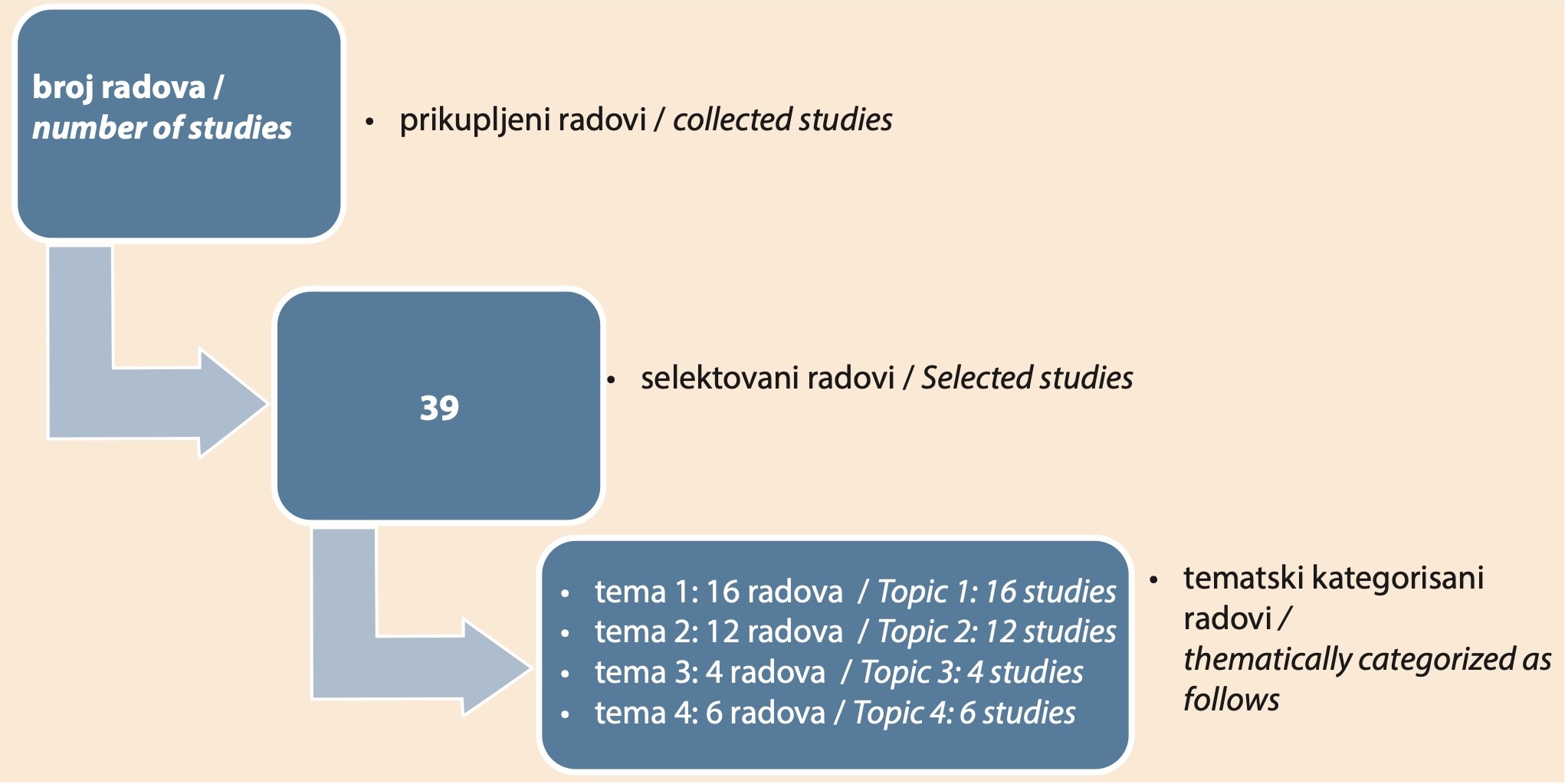
The review was based on a qualitative analysis of the content of the studies and empirical data, followed by a comparative interpretation of the research findings. The obtained results were then thematically categorized into four topics (Figure 1): misuse and inadequate use of antibiotics [3],[4],[5],[6],[7],[8],[9],[10],[11],[12],[13],[14],[15],[16],[17],[18], the development of superbugs associated with the overuse of antibiotics [18],[19],[20],[21],[22],[23],[24],[25],[26],[27],[28],[29], global aspects of antimicrobial resistance [30–33], and strategies for preventing antibiotics overuse [34],[35],[36],[37],[38],[39].
Misuse and inadequate use of antibiotics
The main cause of the current global crisis is the excessive use and misuse of antimicrobial agents, as previously mentioned. Significantly, numerous studies forecast that infections from resistant bacterial strains cause 10 million annual deaths worldwide. Therefore, it should be taken into account that most resistant antibacterial agents represent a public health issue that requires a multidisciplinary approach and the urgent implementation of global public health measures [3]. An increasingly alarming public health concern is bacteria that are already resistant to almost 99% of antibiotics, as documented in original research conducted at the Institute for Pulmonary Diseases of Vojvodina, Sremska Kamenica, Serbia [4]. This study shows the bacterium Clostridium difficile has so far been sensitive to only three antibiotics: vancomycin, teicoplanin, and metronidazole. However, over time, the bacterium has also demonstrated evolving resistance to these agents. To address severe diseases resulting from C. difficile complications, the introduction of a novel macrolide antibiotic, fidaxomicin, may offer both therapeutic and prophylactic benefits. Its use may help prevent recurrence and reduce the risk of disease progression associated with this infection [4]. A randomized study conducted between 2017 and 2019, involving clinicians and parents of children aged one to five years who had received treatment, included an educational intervention. The study emphasized the critical role of education in improving treatment outcomes. It revealed that one of the main contributors to unsuccessful treatment and inappropriate antibiotic prescribing was inadequate communication between clinicians, parents, and patients. Improved communication led to greater treatment success and more informed use of medications. [5]. In prospective single-blind clinical studies conducted across the United States of America, several important conclusions were drawn. One key finding highlighted that many clinicians prescribed antibiotics solely based on the clinical presentation. While such decisions may, in certain cases, be medically and ethically justified, reliance on clinical judgment alone -when it becomes routine and bypasses microbiological and laboratory confirmation-poses a dual threat to public health. First, this practice may lead to ineffective treatment, as the clinical presentation may be accurate but does not necessarily indicate whether the given antibiotic is effective against the cultured bacterium, which is why laboratory validations are necessary. The other public health problem with this way of treating the patient is global, as it is reflected in the fact that the patient, apart from the pathological cause that has not been treated adequately with antibiotics, remains the host organism, while a colorful physiological microbiota is significantly disturbed, thereby increasing the tendency of the microbiota to develop resistance to the given drug [6]. A double-blind, randomized study conducted over 6 months in 2019 showed significant results when comparing an inert substance to a drug from the penicillin derivatives group. Strict statistical indicators showed no significant differences between the two groups of subjects who received these substances after surgery. Here, public health concerns are paramount, as unconfirmed laboratory use of antibiotics poses a global threat due to the increasing prevalence of resistance, both in penicillin derivatives and in other groups of drugs [7]. A randomized controlled trial conducted in Hong Kong aimed to explore peer education through social networks, showing and confirming that education is the key to preventing the development of bacterial resistance to antibiotics [8]. Another randomized, double-blind study underscored the importance of communication between physicians and parents. Given that this communication is crucial, especially if the patients are children, proper heteroanamnesis significantly reduces the excessive and unwarranted use of antibiotics in children with frequent respiratory infections where bacterial involvement has not been confirmed by cultures or antibiograms [9]. A randomized, double-blind study conducted in eight U.S. cities, both in outpatient settings and in emergency care settings, investigated children treated for uncomplicated pneumonia. This study included two groups of subjects, one of which received a placebo (an inactive substance), and revealed highly significant results, showing statistically meaningful differences between children treated for pneumonia for five days and those treated for ten days. This research is of great importance to public health from a preventive perspective, as it highlights how many antibiotics are actually unnecessarily prescribed for this type of infection, thereby harming the subjects’ microbiota and contributing to the global development of multi-resistant bacterial strains[10]. Statistically significant differences were observed among patients who received ceftriaxone prophylactically compared to those hospitalized for liver disease deterioration who received a placebo. No differences were noted in recurrence, infection rates, mortality, or numerous laboratory parameters. Ceftriaxone is a potent third-generation cephalosporin. From this study, we can conclude that resistance can develop even to such strong antibiotics if not used appropriately [11]. However, certain studies report an increasing number of patients misusing medications and preparations for acute pharyngitis, seeking alternative treatments without expert advice [12]. A meta-analysis aimed at evaluating data on rational antibiotic prophylaxis in dental patients yielded alarming results, showing that out of every 19 functionally healthy subjects, only one person is protected from potential infection through prophylactic antibiotic use. This is an alarming problem in dentistry, as the study indicates that while 18 individuals remained healthy, their microbiota was likely harmed [13]. In the Indian population, between 5% and over 30% of individuals use antibiotics without medical consultation, with the highest prevalence among dental care users. This highlights the significant role of dentists and other healthcare professionals in antibiotic prescription. However, the widespread self-medication in a country with a population exceeding 1 billion poses a critical challenge for controlling antibiotic resistance [14]. Self-medication with antibiotics is also a major global public health issue, particularly in pediatric treatment. This phenomenon varies according to cultural, economic, and social factors. The most common reasons include purchasing antibiotics without medical oversight and using leftover medications from prior prescriptions when symptoms recur. These practices exacerbate the misuse of antibiotics and resistance development [15]. Self-initiated use of antibiotics is a widespread practice in Ethiopia. This meta-analytical study highlights the need for targeted education directed at various population groups. Such education should first address basic knowledge about antibiotics, the dangers of self-initiated treatment, and the dangers of inadequate application [16]. Certain studies identify pharmacies as the primary sources of antibiotics for self-medication. This adds a new dimension to the public health crisis, as some pharmacists dispense antibiotics without requiring prescriptions. While pharmacists may provide information about antibiotics, this is insufficient without a comprehensive medical evaluation by a physician. Proper antibiotic selection requires clinical assessment, bacterial culture analysis, and other relevant diagnostic parameters [17]. Furthermore, certain studies show the unjustified administration of antibiotics to children. Not only do these treatments fail to facilitate recovery, but they also contribute to the development of resistance to the administered antibiotics, thereby exacerbating the broader problem of antimicrobial resistance [18].
Development of superbugs associated with the overuse of antibiotics
To reduce the negative effects of antibiotics, alternatives such as probiotics and prebiotics are increasingly being researched. Duan et al. demonstrated that supplementation with these agents can accelerate the recovery of the microbiota, thereby reducing the risk of consequences such as dysbiosis (an imbalance in the composition of microbiota) [18]. The overuse of antibiotics has become a significant global problem with far-reaching consequences for human health. One of the most important aspects of this problem is the disruption of the intestinal microbiota, which plays a key role in maintaining the immune function, metabolism, and homeostasis of the organism. While antibiotics effectively eliminate pathogens, their indiscriminate action destroys commensal bacteria, disrupting the delicate balance of gut microbiota and causing potential health complications. Research shows that antibiotic therapy can cause a significant reduction in the diversity of intestinal microbiota, resulting in decreased resistance to colonization by pathogenic microorganisms. Palleja et al. documented in their study that, in adults, it may take several months for the microbiota to recover after antibiotics, and certain bacterial species may disappear permanently [19]. Similar findings were reported by Schwartz et al., emphasizing that antibiotic-induced disturbances of the microbiota have long-term consequences, including increased susceptibility to infections and inflammatory processes [20]. In addition to acute disorders, long-term consequences include the development of metabolic disorders, allergies, and autoimmune diseases. Konstantinidis et al. highlighted in their study that antibiotics can alter the metabolism of short-chain fatty acids, which are crucial for the health of the intestinal mucosa, thereby increasing the risk of inflammatory bowel diseases [21]. Also, Lu et al. showed that dysbiosis can impair the integrity of the intestinal barrier, allowing toxins and bacteria to enter the bloodstream, leading to systemic inflammation [22]. In children, whose gut microbiota is still developing, antibiotics can cause permanent changes. McDonnell et al. identified a correlation between early exposure to antibiotics and an increased risk of asthma and allergies [23]. Similarly, research by Patrick et al. demonstrated that reduced microbiota diversity in children is associated with immune dysregulation [24]. The excessive use of antibiotics has significant detrimental effects on gut microbiota and general health. Efforts must be directed towards rationalizing their use, educating the population, and promoting protective interventions, such as probiotics, to preserve the balance of microbiota and reduce long-term health complications. Addressing antibiotic resistance requires a multidisciplinary approach, including education, the development of health policies, and the improvement of diagnostic methods. A key component of prevention is the education of healthcare workers and patients. Studies have shown that training programs for healthcare workers on principles of rational antibiotic use significantly reduce improper prescribing. An additional concern and one of the biggest clinical challenges worldwide is the rise of multidrug-resistant infections (MDR), with a special emphasis on MDR tuberculosis, which affects about 500,000 new patients annually. The highest rates of MDR-TB are recorded in Europe, while 87% of new cases come from 30 countries in Asia, Africa, and Latin America. Additionally, pathogens from the ESKAPE group (Enterococcus faecium, Staphylococcus aureus, Klebsiella pneumoniae, Acinetobacter baumannii, Pseudomonas aeruginosa, and Enterobacter species) contribute significantly to the global burden of antibiotic resistance [25]. Educating patients about the risks associated with self-prescribed antibiotic use and their inadequate use can have a long-term impact on reducing resistance [26]. The introduction of advanced diagnostic tools, such as rapid tests for the identification of bacterial infections and determination of sensitivity to antibiotics, can contribute to more accurate prescribing of drugs and reduction of unnecessary administration [27]. In addition, global initiatives, such as regulation of over-the-counter antibiotic availability, controlled distribution, and development of new antimicrobial drugs, are essential to combat this increasingly serious public health problem [28]. Preventive measures, such as vaccination and improved hygiene, can also contribute to reducing the need for antibiotics and preventing the development of resistance. Finally, in considering antimicrobial resistance (AMR), it is important to recognize that it represents a complex and urgent global challenge, further exacerbated by the changes brought about by the COVID-19 pandemic. In addition to clinical settings, environmental factors such as uncontrolled waste discharge, agrochemical use, and wildlife migration also contribute to the spread of AMR, which highlights the need for an integrated approach to addressing this problem [29].
Antimicrobial resistance: A global health crisis
Microorganisms, including the diverse bacterial populations within the human gut, play a key role in maintaining overall health. When antibiotics are overused, they destroy not only pathogenic bacteria but also beneficial microorganisms, creating conditions for the development of “superbugs” - bacteria that are resistant to multiple antibiotics. These bacteria can cause more severe infections that are much more difficult to treat, thereby endangering patient outcomes. Antimicrobial resistance has become a global health crisis with the emergence of multidrug-resistant bacteria that cannot be treated with standard antibiotics. For example, new strains of Neisseria gonorrhoeae resistant to third-generation carbapenems have caused untreatable gonorrhea infections in the United Kingdom. Although considerable resources have been invested, the development of new antibiotics that can overcome this resistance is progressing too slowly [30]. Studies have shown that patients who have overused antibiotics are more susceptible to infections caused by multidrug-resistant strains, such as Clostridioides difficile (C. difficile), which is commonly present in hospitals but becomes a deadly threat in the setting of antibiotic-induced dysbiosis. Antibiotic use can have several adverse effects on the gut microbiota, including reduced species diversity, altered metabolic activity, and selection of antibiotic-resistant organisms, which in turn can lead to antibiotic-associated diarrhea and recurrent Clostridioides difficile infections. Early exposure to antibiotics during childhood has also been linked to gastrointestinal disorders, immune dysregulation, and neurocognitive impairments. The increasing trend in antibiotic consumption in recent years suggests that these challenges will likely intensify in the future [31]. New antibiotics are key to combating the societal challenges posed by methicillin-resistant Staphylococcus aureus (MRSA), a gram-positive bacterium responsible for severe infections worldwide. A study by a group of researchers from America and Egypt discovered a new tetracene derivative, Mersahinone, isolated from a culture of the marine actinomycete Streptomyces sp. EG1, found in the sediments of the northern coast of the Mediterranean Sea in Egypt. These findings confirm the potential of marine actinomycetes as a source of new bioactive compounds, especially in relatively unexplored areas such as the Mediterranean Sea. Future studies may further exploit the biodiversity of this region to develop promising antimicrobial agents [32]. Antimicrobial resistance, especially in bacteria, represents one of the most important challenges of modern medicine. Despite the urgent need for new antibiotics, progress in their development is slow, while resistance to existing drugs continues to increase. Significant investment in research and development is needed to find effective strategies to combat this global threat to public health as soon as possible. It is important to note that the development of antibiotic-resistant bacteria is a global problem that requires coordinated efforts in controlling the use of antibiotics, as well as in the research of new therapeutic options and strategies, not only for the individual but also for the environment as a whole [33]. Educating healthcare workers and patients about the proper use of antibiotics is crucial to reducing the risk of developing resistant strains and preserving the efficacy of existing therapies. Excessive and unnecessary use of antibiotics has a significant impact on the microbiota of the human body and contributes to the development of superbugs. These bacteria represent a serious challenge to public health, and it is necessary to take appropriate measures to control their occurrence and spread [30],[33].
Strategies for Preventing the Overuse of Antibiotics
Antimicrobial resistance represents a critical global public health challenge. Current preventive health strategies are increasingly focused on strict regulation of antibiotic prescribing practices, not only among physicians but also in dental practice [25],[26]. Moreover, the implementation of more stringent legal measures to curb the unauthorized sale and purchase of antibiotics could significantly reduce the misuse of antimicrobial agents and the progression of bacterial resistance [25],[26]. Public health campaigns play a vital role in reducing susceptibility to infections caused by various bacterial strains [33]. These initiatives, along with the promotion of proper hand and body hygiene, encourage healthy lifestyle practices such as a balanced diet and adequate intake of essential micronutrients [34],[35],[36],[37],[38].
Particular emphasis should be placed on antioxidant vitamins, including retinol, tocopherol, and L-ascorbic acid, which may reduce the need for antibiotics, especially with the contribution of vitamin D, known to stimulate the immune system. Vitamins are biologically essential organic compounds broadly classified into two major groups: fat-soluble and water-soluble vitamins. They play a crucial role in the growth, development, and overall psychological function of the organism. The primary function of certain vitamins is their antioxidant activity, which helps prevent endogenous suppression of immune responses [34]. Vitamin A is a potent antioxidant that protects cellular membranes from damage caused by free radicals and prevents intercellular damage. Due to its protein-binding capacity, vitamin A remains active within the cytoplasm, where these associated proteins facilitate its antioxidant effect even in an aqueous environment [35]. Another fat-soluble antioxidant, known as the “youth vitamin”, is vitamin E. This vitamin integrates into the cell membranes, providing substantial protection against free radical-induced damage. It significantly reduces the number of free radicals that come into contact with cellular membranes [36]. Among the water-soluble vitamins, vitamin C, in its active form, L-ascorbic acid, exhibits a powerful capacity to neutralize free radicals. Additionally, it plays a crucial role in regenerating vitamins A and E back to their active forms [37]. Vitamin D, another fat-soluble vitamin, uniquely possesses anti-cancer properties among vitamins. It is essential to highlight that vitamin D is not an antioxidant; however, its clinical significance lies in its ability to disrupt the membrane function of specific malignant cells. Vitamin D interacts with death receptors within the nucleus of cancer cells, thereby inducing apoptosis. Additionally, vitamin D participates in the prevention of cytokine storms, enhances cellular immune responses, and supports the maturation of T-lymphocytes [38]. Additionally, it is essential to emphasize that while specific vitamins are classified and regulated as medicine, the majority are available as supplements. Notably, vitamin D deficiency is associated with significant immune dysregulation, in addition to the previously mentioned effects [39]. Enriching certain foods and beverages with vitamins may also lead to a reduced immune response to bacterial pathogens, thereby lowering the need for antibiotic therapy. New antimicrobial agents, such as fidaxomicin, a member of the macrolide class, are of particular importance in the treatment of Clostridium difficile infections. This pathogen responds to only three antibiotics, and resistance to these agents is increasing. Therefore, the inclusion of fidaxomicin in therapeutic regimens plays a key role in treating this infection [21]. All these measures, combined with preventive public health strategies, can significantly reduce bacterial infections and, consequently, the use of antibiotics.
Recommendations of the Council of the European Union on Combating Antimicrobial Resistance
In 2023, the Council of the European Union adopted recommendations to strengthen the fight against antimicrobial resistance (AMR), based on the One Health concept, which integrates human, animal, and environmental health. The recommendations include developing or updating national action plans, strengthening surveillance systems for antibiotic consumption and resistance monitoring, improving infection prevention and control measures, and implementing antibiotic stewardship programs across all sectors.
Specific targets for 2030 include reducing overall antibiotic consumption by 20% compared to 2019, increasing the proportion of antibiotics from the WHO “Access” category to at least 65%, reducing the incidence of antibiotic-resistant bacterial infections, and reducing antimicrobial sales for animals and aquaculture by 50%. The recommendations also emphasize the importance of continuous education for healthcare professionals and the public, investment in research and development of new therapeutic approaches, diagnostic methods, and vaccines, as well as strengthening international cooperation [40].
CONCLUSION
AMR represents a significant public health challenge, causing more than 35,000 deaths annually in the European Union and the European Economic Area (EU/ EEA). The urgent need for effective measures to combat AMR is underscored by the significant financial burden it places on healthcare systems. Economic implications include higher costs due to prolonged hospital stays, the use of more expensive medicines, and the need for additional medical procedures. As resistance rates escalate, the effectiveness of standard treatments declines, complicating patient management and increasing the incidence of hard-to-treat infections. Much more needs to be done to address AMR to improve health outcomes and to preserve the sustainability of healthcare resources across Europe.
Informations

-
Keywords:
-
Received:
-
Revised:
-
Accepted:
-
Online first:
-
DOI:
-
Cite this article:

Ana Miljković
Department of General Medicine and Geriatrics, Faculty of Medicine, University of Novi Sad
3 Hajduk Veljkova Street, 21000 Novi Sad, Serbia
E-mail:
1. Baran A, Kwiatkowska A, Potocki L. Antibiotics and bacterial resistance-a short story of an endless arms race. Int J Mol Sci. 2023 Mar 17;24(6):5777. doi: 10.3390/ijms24065777. [CROSSREF]
2. Muteeb G, Rehman MT, Shahwan M, Aatif M. Origin of antibiotics and antibiotic resistance, and their impacts on drug development: a narrative review. Pharmaceuticals (Basel). 2023 Nov 15;16(11):1615. doi: 10.3390/ph16111615. [CROSSREF]
3. Tang KWK, Millar BC, Moore JE. Antimicrobial resistance (AMR). Br J Biomed Sci. 2023 Jun 28; 80:11387. doi: 10.3389/bjbs.2023.11387. [CROSSREF]
4. Koprivica M, Đekić Malbaša J. Epidemiološke karakteristike infekcija izazvanih toksinima bakterije Clostridioides difficile. Srp Arh Celok Lek.. 2024;152(9-10):505-8. doi: 10.2298/SARH240625077K. [CROSSREF]
5. Goggin K, Hurley EA, Lee BR, Bradley-Ewing A, Bickford C, Pina K, et al. Let’s talk about antibiotics: a randomised trial of two interventions to reduce antibiotic misuse. BMJ Open. 2022 Nov 21;12(11): e049258. doi: 10.1136/bmjopen-2021-049258. [CROSSREF]
6. Serena TE, Gould L, Ousey K, Kirsner RS. Reliance on clinical signs and symptoms assessment leads to misuse of antimicrobials: post hoc analysis of 350 chronic wounds. Adv Wound Care (New Rochelle). 2022 Dec;11(12):639-49. doi: 10.1089/wound.2021.0146. [CROSSREF]
7. Katundu D, Chussi D, Nyombi B, Philemon R, Semvua H, Hannink G, et al. Effect of placebo versus prophylactic postoperative amoxicillin on post-(adeno) tonsillectomy morbidity in Tanzanian children: a two-centre, double-blind randomized controlled non-inferiority trial. Pan Afr Med J. 2022 Jun 22;42:142. doi: 10.11604/pamj.2022.42.142.35540. [CROSSREF]
8. Or PL, Ching TY. The effectiveness of raising Hong Kong parents’ awareness of antimicrobial resistance through an education program with peer support on social media: a randomized, controlled pilot study. BMC Public Health. 2022 Feb 15;22(1):315. doi: 10.1186/s12889-022-12697-w. [CROSSREF]
9. Goggin K, Bradley-Ewing A, Myers AL, Lee BR, Hurley EA, Delay KB, et al. Protocol for a randomised trial of higher versus lower intensity patient-provider communication interventions to reduce antibiotic misuse in two paediatric ambulatory clinics in the USA. BMJ Open. 2018 May 9;8(5):e020981. doi: 10.1136/bmjopen-2017-020981. [CROSSREF]
10. Williams DJ, Creech CB, Walter EB, Martin JM, Gerber JS, Newland JG, et al. Short- vs standard-course outpatient antibiotic therapy for community-acquired pneumonia in children: the SCOUT-CAP randomized clinical trial. JAMA Pediatr. 2022 Mar 1;176(3):253-61. doi: 10.1001/jamapediatrics.2021.5547. [CROSSREF]
11. Fricker Z, Jiang G, Patel H, McLaughlin A, Izunza Barba S, Niezen S, et al. A randomized study of ceftriaxone for the prevention of infections in hospitalized patients with advanced cirrhosis. Hepatol Commun. 2024 Jan 5;8(1):e0356. doi: 10.1097/HC9.0000000000000356. [CROSSREF]
12. McNally D, Simpson M, Morris C, Shephard A, Goulder M. Rapid relief of acute sore throat with AMC/DCBA throat lozenges: randomised controlled trial. Int J Clin Pract. 2010 Jan;64(2):194-207. doi: 10.1111/j.1742-1241.2009.02230.x. [CROSSREF]
13. Lodi G, Azzi L, Varoni EM, Pentenero M, Del Fabbro M, Carrassi A, et al. Antibiotics to prevent complications following tooth extractions. Cochrane Database Syst Rev. 2021 Feb 24;2(2):CD003811. doi: 10.1002/14651858.CD003811. pub3. [CROSSREF]
14. Bhuvaraghan A, King R, Larvin H, Aggarwal VR. Antibiotic use and misuse in dentistry in India: a systematic review. Antibiotics (Basel). 2021 Nov 26;10(12):1459. doi: 10.3390/antibiotics10121459. [CROSSREF]
15. Bert F, Previti C, Calabrese F, Scaioli G, Siliquini R. Antibiotics self-medication among children: a systematic review. Antibiotics (Basel). 2022 Nov 9;11(11):1583. doi: 10.3390/antibiotics11111583. [CROSSREF]
16. Bi B, Qin J, Zhang L, Lin C, Li S, Zhang Y. Systematic review and meta-analysis of factors influencing self-medication in children. Inquiry. 2023 JanDec;60:469580231159744. doi: 10.1177/00469580231159744. [CROSSREF]
17. Almohammed RA, Bird EL. Public knowledge and behaviours relating to antibiotic use in Gulf Cooperation Council countries: a systematic review. J Infect Public Health. 2019 Mar-Apr;12(2):159-66. doi: 10.1016/j.jiph.2018.09.002. [CROSSREF]
18. Duan L, Lin R, Wang D, Wang X, Zhang X, Ding L, et al. Eliciting parents’ decision-making to antibiotic use for upper respiratory tract infections: A discrete choice experiment. J Glob Health. 2024 Dec 9;14:04220. doi: 10.7189/ jogh.14.04220. [CROSSREF]
19. Palleja A, Mikkelsen KH, Forslund SK, Kashani A, Allin KH, Nielsen T, et al. Recovery of gut microbiota of healthy adults following antibiotic exposure. Nat Microbiol. 2018 Nov;3(11):1255-65. doi: 10.1038/s41564-018-0257-9. [CROSSREF]
20. Schwartz DJ, Langdon AE, Dantas G. Understanding the impact of antibiotic perturbation on the human microbiome. Genome Med. 2020 Sep 28;12(1):82. doi: 10.1186/s13073-020-00782-x. [CROSSREF]
21. Konstantinidis T, Tsigalou C, Karvelas A, Stavropoulou E, Voidarou C, Bezirtzoglou E. Effects of Antibiotics upon the Gut Microbiome: A Review of the Literature. Biomedicines. 2020 Nov 16;8(11):502. doi: 10.3390/biomedicines8110502. [CROSSREF]
22. Duan H, Yu L, Tian F, Zhai Q, Fan L, Chen W. Antibiotic-induced gut dysbiosis and barrier disruption and the potential protective strategies. Crit Rev Food Sci Nutr. 2022;62(6):1427-52. doi: 10.1080/10408398.2020.1843396. [CROSSREF]
23. McDonnell L, Gilkes A, Ashworth M, Rowland V, Harries TH, Armstrong D, et al. Association between antibiotics and gut microbiome dysbiosis in children: systematic review and meta-analysis. Gut Microbes. 2021 JanDec;13(1):1-18. doi: 10.1080/19490976.2020.1870402. [CROSSREF]
24. Patrick DM, Sbihi H, Dai DLY, Al Mamun A, Rasali D, Rose C, et al. Decreasing antibiotic use, the gut microbiota, and asthma incidence in children. Lancet Respir Med. 2020 Nov;8(11):1094-105. doi: 10.1016/S2213-2600(20)30052-7. [CROSSREF]
25. Majumder MAA, Rahman S, Cohall D, Bharatha A, Singh K, Haque M, et al. Antimicrobial stewardship: fighting antimicrobial resistance and protecting global public health. Infect Drug Resist. 2020 Dec 29;13:4713-38. doi: 10.2147/IDR.S290835. [CROSSREF]
26. Rajput A. Examining the implementation and effectiveness of antibiotic stewardship programs in healthcare settings to prevent antibiotic resistance and promote prudent antibiotic use. Knowl Res. 2023 Jun 30;1(11):11-24. doi: 10.57067/kr.v1i11.95. [CROSSREF]
27. Theodorakis N, Feretzakis G, Hitas C, Kreouzi M, Kalantzi S, Spyridaki A, et al. Antibiotic resistance in the elderly: mechanisms, risk factors, and solutions. Microorganisms. 2024 Sep 30;12(10):1978. doi: 10.3390/microorganisms12101978. [CROSSREF]
28. World Health Organization [Internet]. Antimicrobial resistance and the United Nations sustainable development cooperation framework: guidance for United Nations country teams. Geneva: WHO. 2021 [cited 2025 Jun 13]. Available from: https://books.google.com/books?id=k3dyEAAAQBAJ [HTTP]
29. Arnold KE, Laing G, McMahon BJ, Fanning S, Stekel DJ, Pahl O, et al. The need for One Health systems-thinking approaches to understand multiscale dissemination of antimicrobial resistance. Lancet Planet Health. 2024 Feb;8(2):e124-33. doi: 10.1016/S2542-5196(23)00278-4. [CROSSREF]
30. Gray DA, Wenzel M. Multitarget approaches against multiresistant superbugs. ACS Infect Dis. 2020 Jun 12;6(6):1346-65. doi: 10.1021/acsinfecdis.0c00001. [CROSSREF]
31. Ramirez J, Guarner F, Bustos Fernandez L, Maruy A, Sdepanian VL, Cohen H. Antibiotics as major disruptors of gut microbiota. Front Cell Infect Microbiol. 2020 Nov 24;10:572912. doi: 10.3389/fcimb.2020.572912. [CROSSREF]
32. Kim MC, Cullum R, Hebishy AMS, Mohamed HA, Faraag AHI, Salah NM, et al. Mersaquinone, a new tetracene derivative from the marine-derived Streptomyces sp. EG1 exhibiting activity against methicillin-resistant Staphylococcus aureus (MRSA). Antibiotics (Basel). 2020 May 14;9(5):252. doi: 10.3390/ antibiotics9050252. [CROSSREF]
33. Mitchell J, Cooke P, Ahorlu C, Arjyal A, Baral S, Carter L, et al. Community engagement: the key to tackling antimicrobial resistance (AMR) across a One Health context? Glob Public Health. 2022 Nov;17(11):2647-64. doi: 10.1080/17441692.2021.2003839. [CROSSREF]
34. Koprivica M, Bjelanović J. Hipervitaminoza B12. Med Čas. 2021;55(4):139-43. doi: 10.5937/mckg55-33665. [CROSSREF]
35. Koprivica M, Bjelanović J. Značaj vitamina A u ishrani. Med Čas. 2021;55(3):99- 103. doi: 10.5937/mckg55-31633. [CROSSREF]
36. Koprivica M, Miljković A. Uticaj vitamina E na različite organske sisteme. Sanamed. 2024;19(2):215-9. doi: 10.5937/sanamed0-49398. [CROSSREF]
37. Hemilä H, Chalker E. Vitamin C reduces the severity of common colds: a meta-analysis. BMC Public Health. 2023 Dec 11;23(1):2468. doi: 10.1186/s12889- 023-17229-8. [CROSSREF]
38. Koprivica M, Kašiković Lečić S. Uzroci, posledice i lečenje nedostatka vitamina D kod ljudi. Med Čas. 2023;57(3):119-24. doi: 10.5937/mckg57-43860. [CROSSREF]
39. Koprivica M, Miljković A. Javnozdravstveni aspekti vitamina D. Srp Arh Celok Lek. 2025;153(1-2):103-6. doi: 10.2298/SARH241123012K. [CROSSREF]
40. Council of the European Union. Council recommendation on stepping up EU actions to combat antimicrobial resistance in a One Health approach. Off J Eur Union [Internet]. 2023 Jun 22 [cited 2025 Jun 13];60(C220/1): 6-9. Available from: https://eur-lex.europa.eu/legal-content/EN/TXT/?uri=uriserv%3AOJ.C_.2023.220.01.0001.01.ENG&toc=OJ%3AC%3A2023%3A220%3ATOC [HTTP]