


Challenges in managing the health workforce for universal health coverage in Angola
- University of Belgrade, Faculty of Medicine, Belgrade, Serbia
- University of Belgrade, Faculty of Organizational Sciences, Master program, Belgrade, Serbia
ABSTRACT
Introduction: Human resource management in health is essential to achieving universal health coverage, particularly in countries facing significant structural challenges, such as Angola.
Study aim: This study aims to describe the challenges in managing the health workforce for universal health coverage in Angola.
Materials and methods: A narrative literature review was conducted using secondary sources, including scientific literature and official reports published in English and Portuguese between 2019 and 2023. Data were collected from documents issued by national and international health organizations, focusing on population statistics, health indicators, and information regarding the health workforce.
Results: Angola has a population of over 36.7 million, which is projected to double by 2050. The health service coverage rate is approximately 45%, leaving about 20 million people without basic access. In terms of health indicators, 15% of the population faces catastrophic health expenditures, while 30% live in extreme poverty. In 2021, life expectancy at birth was 62.1 years. In 2023, tuberculosis incidence reached 339 cases per 100,000 inhabitants, while in 2022, malaria incidence was 235.9 cases per 1,000 inhabitants. Under-five mortality was 66.87 per 1,000 live births in 2022, and neonatal mortality was 26.03 per 1,000 live births in the same year. Maternal mortality stood at 221.9 per 100,000 live births in 2020. The main causes of death in 2021 were respiratory infections, malaria, and tuberculosis. By 2025, it is estimated that 1.6 million more people will have better health conditions, and 2.7 million more people will be covered by essential health services, as compared to 2018. In 2021, the national health network comprised 6,930 facilities (3,162 public and 3,768 private healthcare facilities) and more than 100,000 health professionals, including 7,716 physicians, 51,216 nurses, and 12,177 technologists. The density of healthcare workers per 10,000 inhabitants was 2.48 doctors, 16.45 nurses, and 3.91 technologists.
Conclusions: Universal health coverage in Angola cannot be achieved without significant and sustained investment in the training, retention, and equitable distribution of health professionals. It is essential to ensure the presence of these professionals in both urban and rural areas, as well as in economically disadvantaged regions. Strengthening human resource management is crucial to addressing the country’s health and social challenges.
INTRODUCTION
Universal Health Coverage (UHC) is one of the main global goals defined within the United Nations Sustainable Development Goals (SDGs), specifically within SDG 3, which aims to ensure healthy living and promote well-being for all people at all ages. UHC implies equitable access to quality health services without financial hardship for individuals. To achieve this goal, it is essential to have a sufficient number of evenly distributed qualified health workers [1].
However, many health systems around the world, both in developed and developing countries, are facing serious challenges in managing human resources in healthcare. The growing demand for health services, combined with budget constraints and inefficient management models, has led to a significant workforce shortage in various contexts [2]. The World Health Organization (WHO) estimates that by 2030, there will be a global shortage of between 10 and 15 million health workers [1],[2]. The International Centre on Nurse Migration (ICNM) predicts a shortage of 13 million nurses during the same period [3]. This shortage does not affect only low-income countries. In Europe, for example, 18 out of 30 countries have reported a shortage of nurses, while 13 countries have reported a deficit of general practitioners [4].
Recent studies have shown that an additional 43 million health workers – 31 million nurses and over 6 million doctors – will be needed, in order to achieve universal coverage globally [4]. The most severe shortages have been recorded in Sub-Saharan Africa, Southeast Asia, North Africa, and the Middle East. Currently, more than 130 countries face a shortage of doctors, and over 150 are experiencing a deficit of nurses [4]. International competition for health workers further complicates retention in low-income countries, particularly due to migration to developed nations offering better working conditions and higher salaries [5],[6]. This situation is further exacerbated by financial challenges faced by many public health systems, which are often unable to provide adequate working conditions. This, consequently, impacts both the motivation and retention of health workers [5].
The issues of health workforce shortages and poor management of this resource are common in both developed and developing countries, with a tendency to worsen in the coming years, which calls for innovative and flexible solutions [7].
In the context of Angola, these challenges are even more pronounced. Angola, a Sub-Saharan African country with a population of approximately 36.7 million, faces deep regional inequalities regarding access to health services and the distribution of health workers [4],[8]. Health services coverage remains limited, and health indicators show high rates of maternal and child mortality, as well as high rates of preventable deaths. Angola’s health system is struggling due to a shortage of qualified personnel, both in terms of numbers and expertise, which undermines the system’s capacity to meet the basic needs of the population.
According to data provided by the Ministry of Health (Pt. Ministério da Saúde da República de Angola – MINSA), Angola is experiencing a significant shortage of health workers in all its provinces, as compared to international standards [9]. An example of this is the province of Cabinda, where the nurse-to-doctor ratio is 8.6 to 1 [9],[10].
This situation has been recognized by the National Health Development Plan (Pt. Plano Nacional de Desenvolvimento Sanitário – PNDS) (2012–2025), which highlights the shortage of human resources as a risk factor for the sustainability of the system. In response, the Human Resources for Universal Health Coverage in Angola program has defined strategies, including strengthening management and planning, improving the distribution and training (both basic and continuous) of health workers, and developing leadership skills [11]. However, the effectiveness of these measures is limited due to low salaries, lack of incentives, and unattractive working conditions.
In 2012, only 44.6% of the population had regular access to health services, while in 2017, this was true for only half of the total population [8],[9],[11]. Although there has been progress in terms of infrastructure and professional training, the uneven distribution of doctors, nurses, and technologists, as well as the difficulties in retaining medical professionals in rural and remote areas, remain significant obstacles to achieving universal health coverage in Angola.
This paper aims to describe the challenges in health workforce management in the context of achieving universal health coverage in Angola.
MATERIALS AND METHODS
This study presents a narrative, descriptive review of the literature, based on the analysis of secondary data obtained from scientific literature and official documents, with the aim of describing the challenges in health workforce management that arise in the process of achieving universal health coverage in Angola.
The document search was conducted between February and April 2025, using the PubMed, SciELO, and Google Scholar databases, as well as the World Health Organization institutional portals (https://data.who.int/ countries/024) and the regional AFRO and AHO databases (https://aho.afro.who.int/data-and-statistics/af). Documents issued by the Ministry of Health of Angola (MINSA) and the National Institute of Statistics (Pt. Instituto Nacional de Estatística – INE) were also consulted.
As part of the search strategy, descriptors in Portuguese and English were used and were combined with Boolean operators. They included the following terms: human resources in health, health workforce, health workers, health governance, universal health coverage, health system Angola, gestão de recursos humanos em saúde1 , and cobertura universal de saúde Angola2.
The literature review included documents published between 2019 and 2024, in Portuguese or English, that directly address human resources management in health in the context of universal health coverage in Angola or countries with similar socioeconomic conditions. Documents that were not directly relevant to the topic or not issued by recognized institutional sources were excluded.
The data were organized based on a comprehensive analysis of the selected documents, with information extracted using the method of data fishing (i.e., data dredging – searching for data without a predefined hypothesis) and applying thematic categorization. The analysis was conducted qualitatively and descriptively, with a focus on identifying patterns and shortcomings related to the distribution, training, retention, and continuous education of health workers, as well as regional inequalities and public policy recommendations.
The results are presented in tables and graphs. Where applicable, quantitative data from official reports are shown as mean values with a 95% confidence interval (95% CI).
RESULTS
In 2023, the population of Angola was estimated at approximately 36.7 million, with a projected increase to 74.3 million by 2050, reflecting an annual growth rate of 3.8% [8].
Although Angola has made significant progress in health service coverage, increasing from 35% in 2015 to 45% in 2022 [7], this is still lower than Mauritius, which achieved an index of 91.
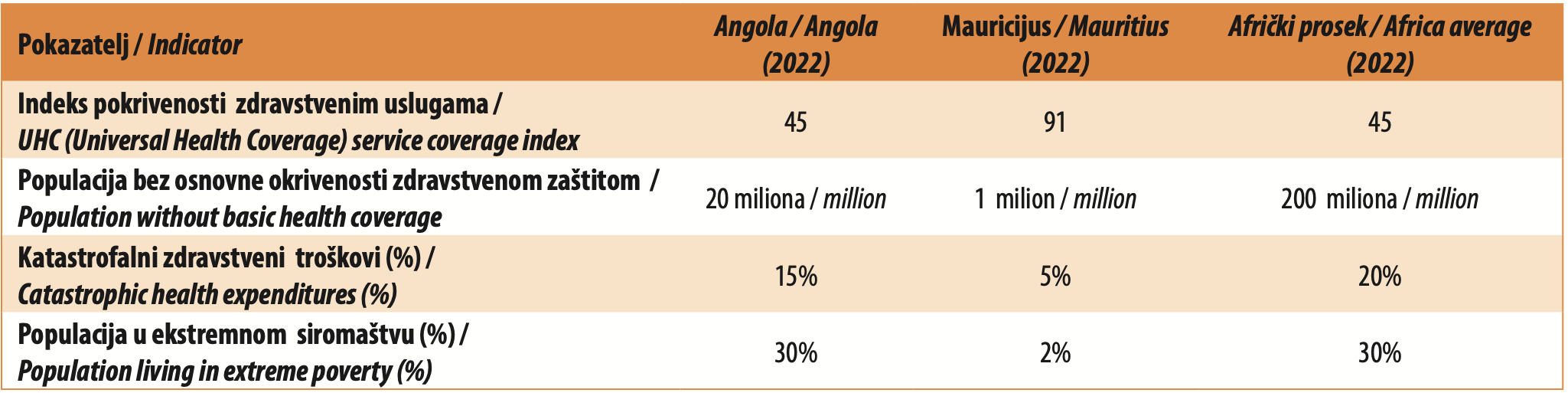
In Angola, around 20 million people still lack full coverage of basic health services, reflecting economic challenges and the need for greater investment in the health sector. In Mauritius, only 1 million people are in this situation, compared to 200 million, which is the African average.
In Angola, 15% of the population faces catastrophic health expenditures, indicating that many Angolan citizens spend a large portion of their income on healthcare. In Mauritius, this figure is 5%, while the African average is 20%.
About 30% of Angola’s population lives in extreme poverty. In Mauritius, that number is 2%, compared to 30%, which is the African average.
World Health Organization data reflect the reality shown below.
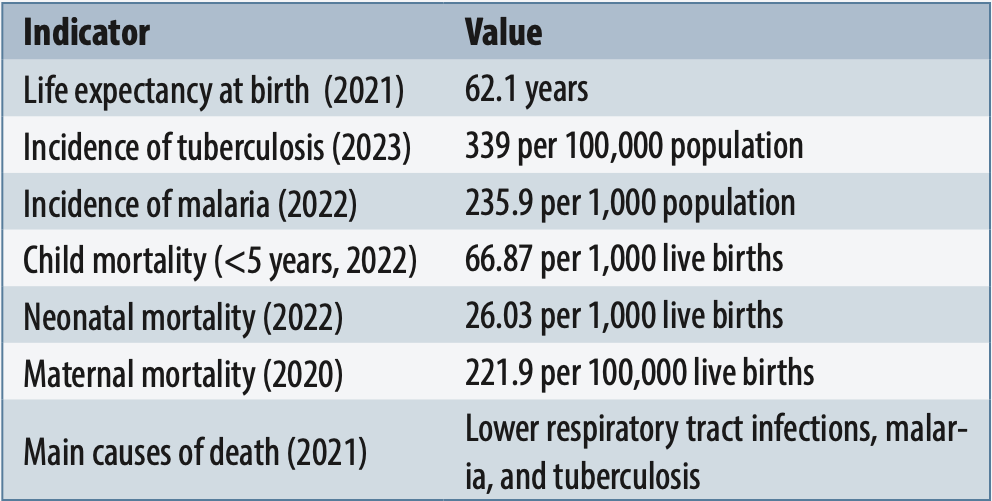
In Angola, life expectancy at birth increased by 12.8 years, from 49.4 (48.2–50.4) years in 2000 to 62.1 (61.2–63.1) years in 2021. In Africa, life expectancy at birth increased by 10.6 years, from 53 (52.1–53.8) years in 2000 to 63.6 (62.6–64.6) years in 2021 [8].
The incidence of tuberculosis in Angola was 339 per 100,000 population in 2023, while the incidence of malaria was around 235.9 per 1,000 population in 2022.
The under-five mortality rate in Angola was 66.87 per 1,000 live births in 2022, while the neonatal mortality rate was 26.03 per 1,000 live births.
Maternal mortality in Angola was significantly reduced from 827 deaths per 100,000 live births in 2000 to 241 deaths per 100,000 live births in 2017, reflecting significant progress [8]. However, maternal mortality remains a serious issue, with 221.9 deaths per 100,000 live births recorded in 2020.
The leading causes of death in Angola include lower respiratory tract infections, malaria, and tuberculosis. In Angola, the number of additional people expected to experience improved health and well-being is estimated at -1.6 million (-7.3 million – 2.8 million) by 2025, as compared to 2018 [8].
In Angola, the number of additional people expected to be covered by basic health services and protected from financial hardship is estimated at 2.7 million (1.5 million – 3.8 million) by 2025, as compared to 2018 [8].
Healthcare network of Angola
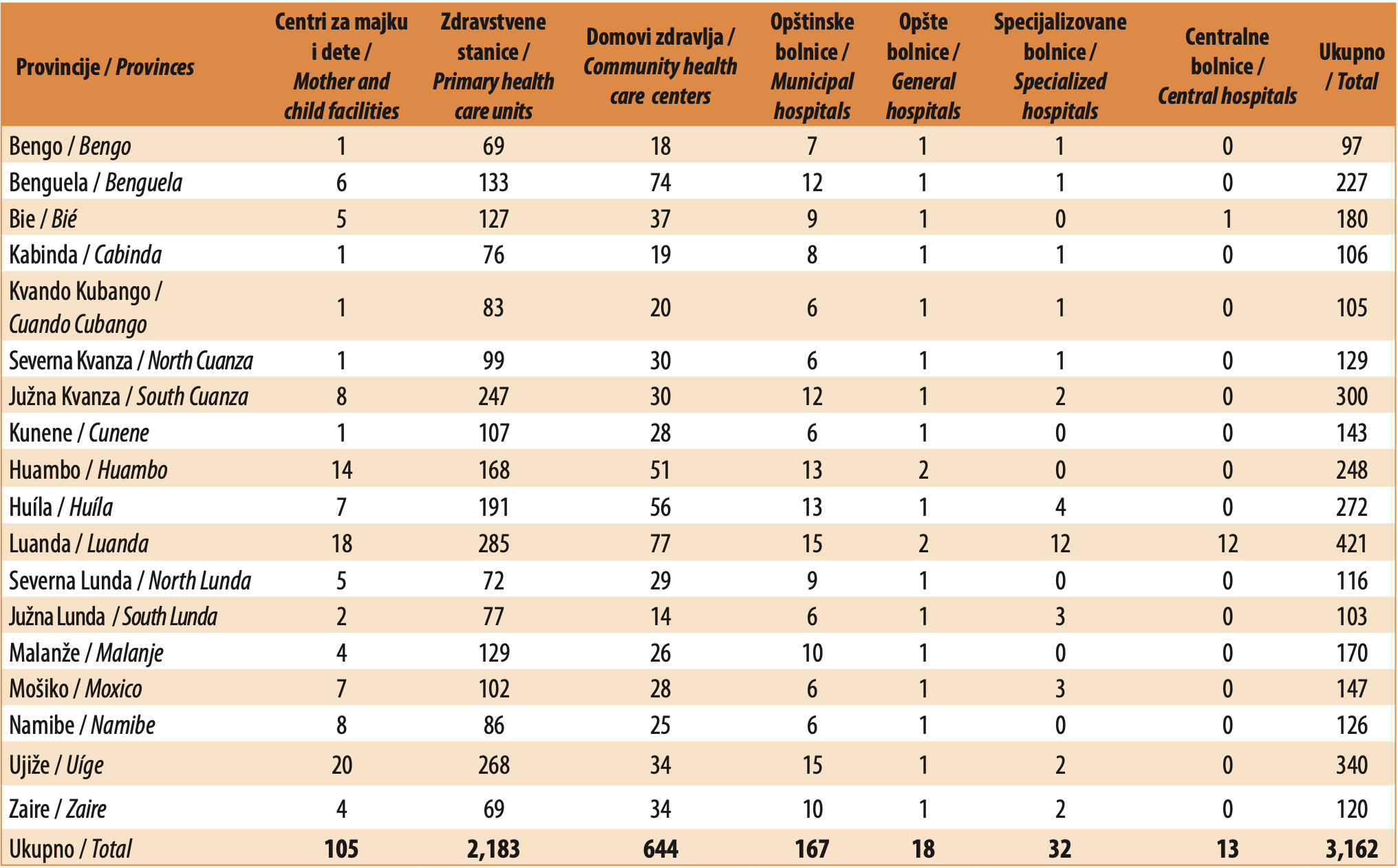
In 2019, available data showed a total of 2,793 public health facilities in the country [9],[11]. By 2021, that number had increased to 3,162 public health facilities [12], with a distribution as shown in Table 2.
According to data from the National Institute of Statistics (2024), the healthcare sector network consists of 3,162 operational health facilities, including 13 national hospitals, 32 specialized hospitals, 18 general hospitals, 167 municipal hospitals, 105 mother and child centers, as well as 3,768 private healthcare facilities.
Health workforce
According to WHO data, Angola is among the countries with more than 100,000 health workers, including doctors, nurses, midwives, pharmacists, and other personnel. However, this number is still lower than that recorded in five countries in the African region with a higher number of health workers: Nigeria (940,193), South Africa (456,042), Algeria (329,494), Ethiopia (250,893), and the Democratic Republic of the Congo (224,002) [13],[14].
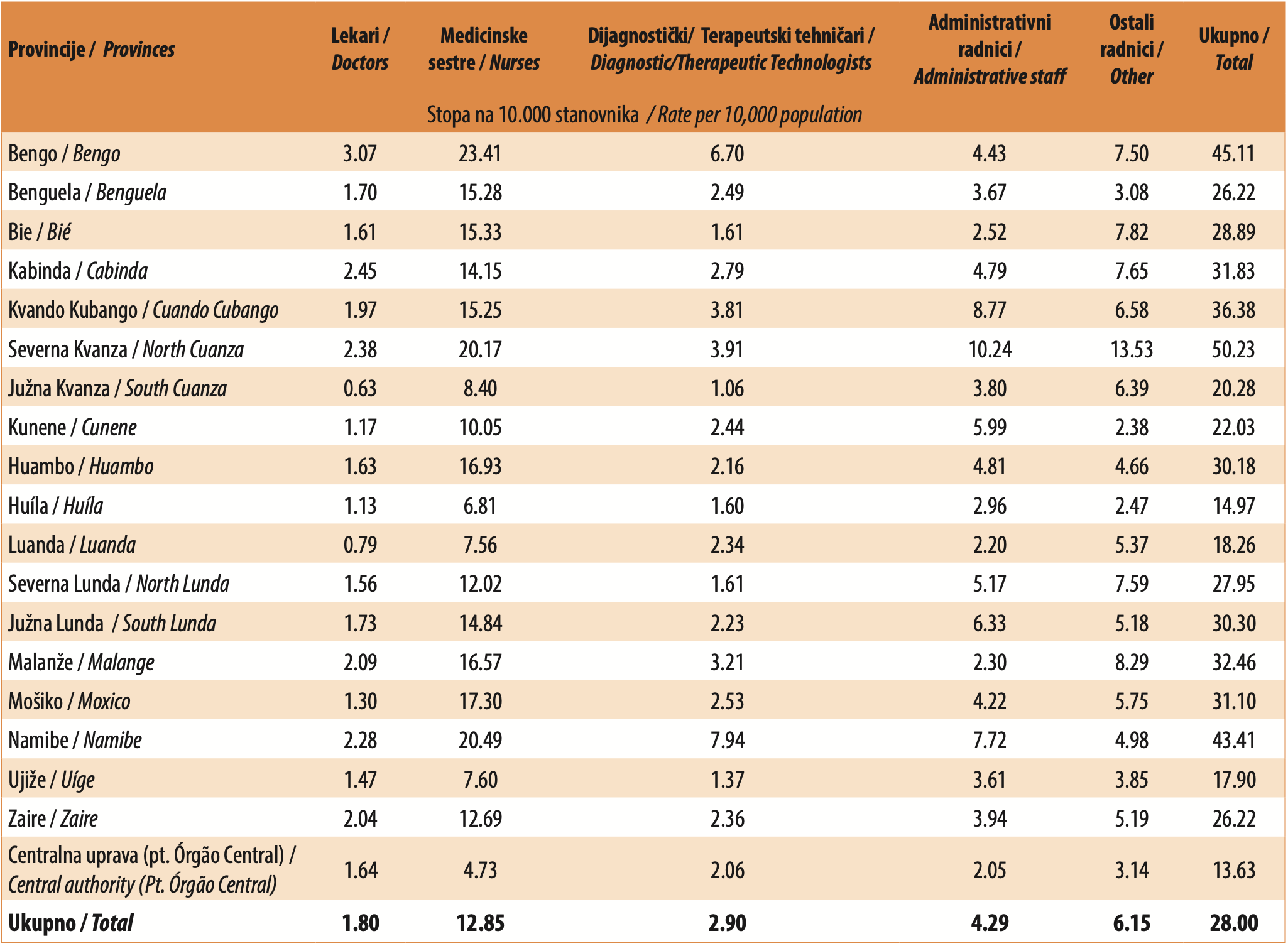
In 2011, Angola had 3,541 doctors, 34,301 nurses, 6,414 technologists (diagnostic or therapeutic technologists), and 9,640 other health workers (administrative staff, cleaners, etc.) [15]. By 2021, as shown in the tables below, these numbers had increased significantly, reaching 7,716 doctors, 51,216 nurses, 12,177 technologists, and 47,577 other workers (administrative staff, janitorial staff, etc.) [12].
In terms of human resources directly providing services in healthcare, there are 2.48 doctors per 10,000 inhabitants, of whom 72.72% are from the public sector, 12.97% from the private sector, and 14.31% from other sectors (the National Police of Angola (Pt. Polícia Nacional de Angola), the Armed Forces of Angola (pt. Forças Armadas Angolanas), and non-governmental organizations). Additionally, there are 16.45 nurses and 3.91 diagnostic/therapeutic technicians per 10,000 inhabitants [12].
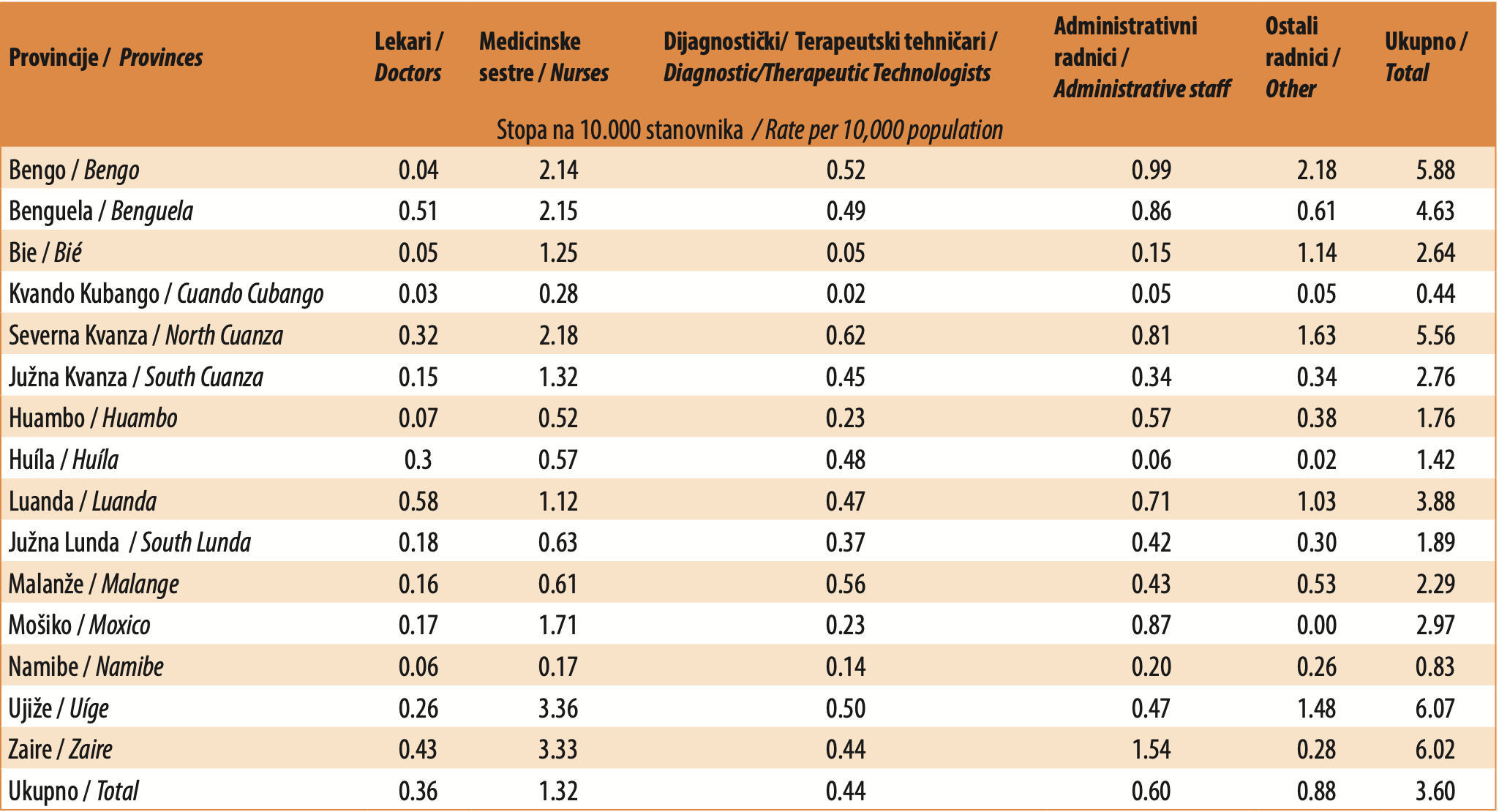
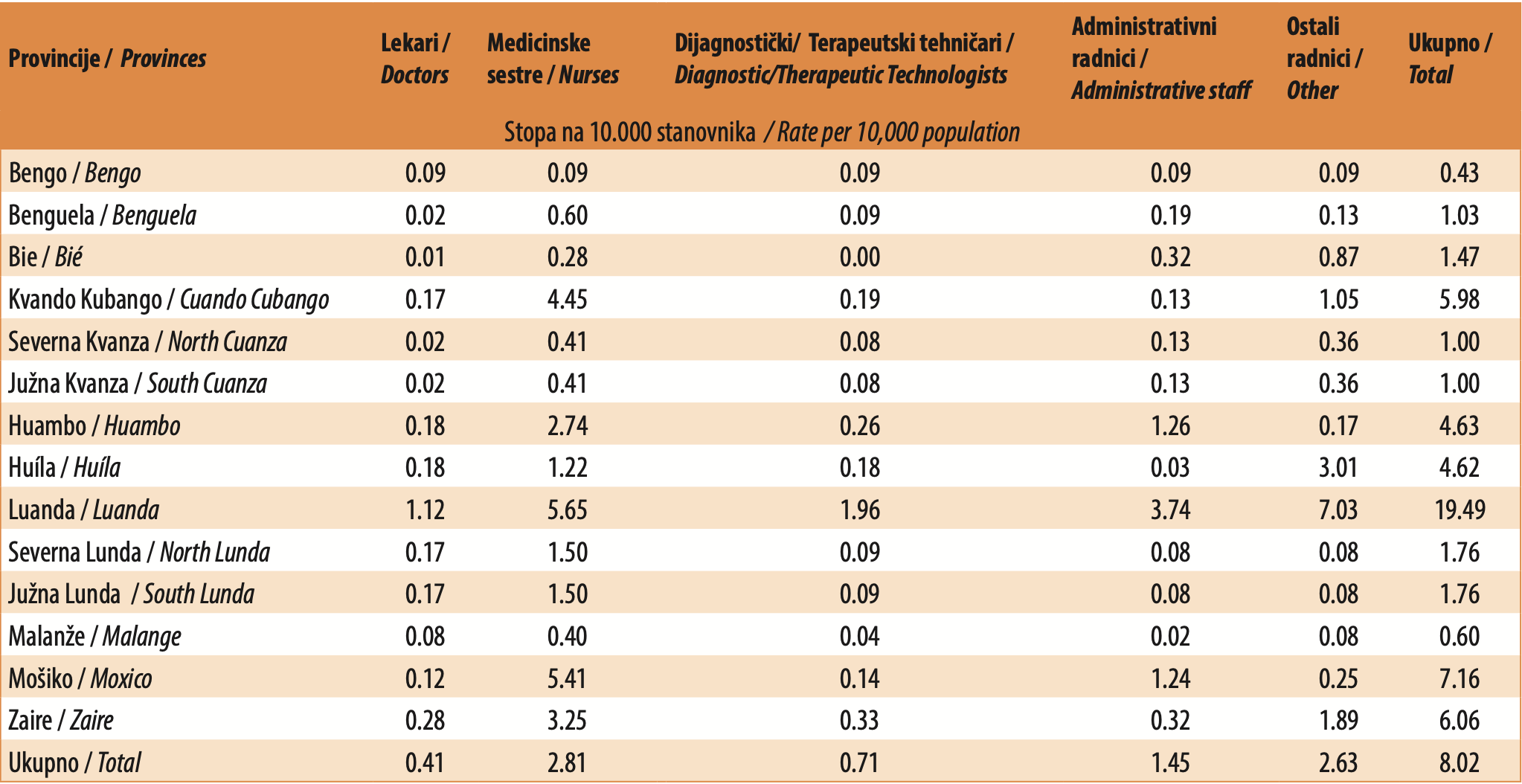
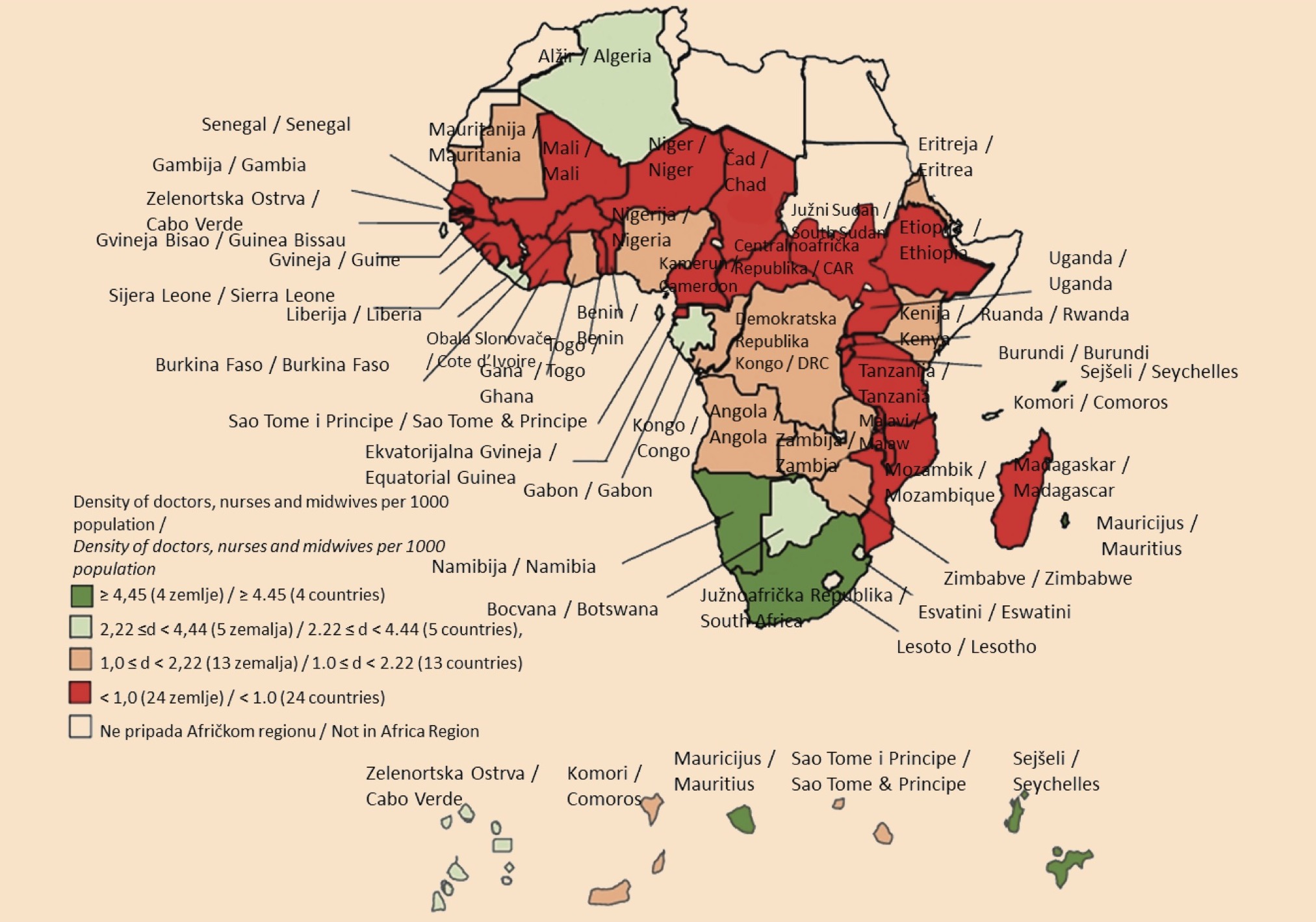
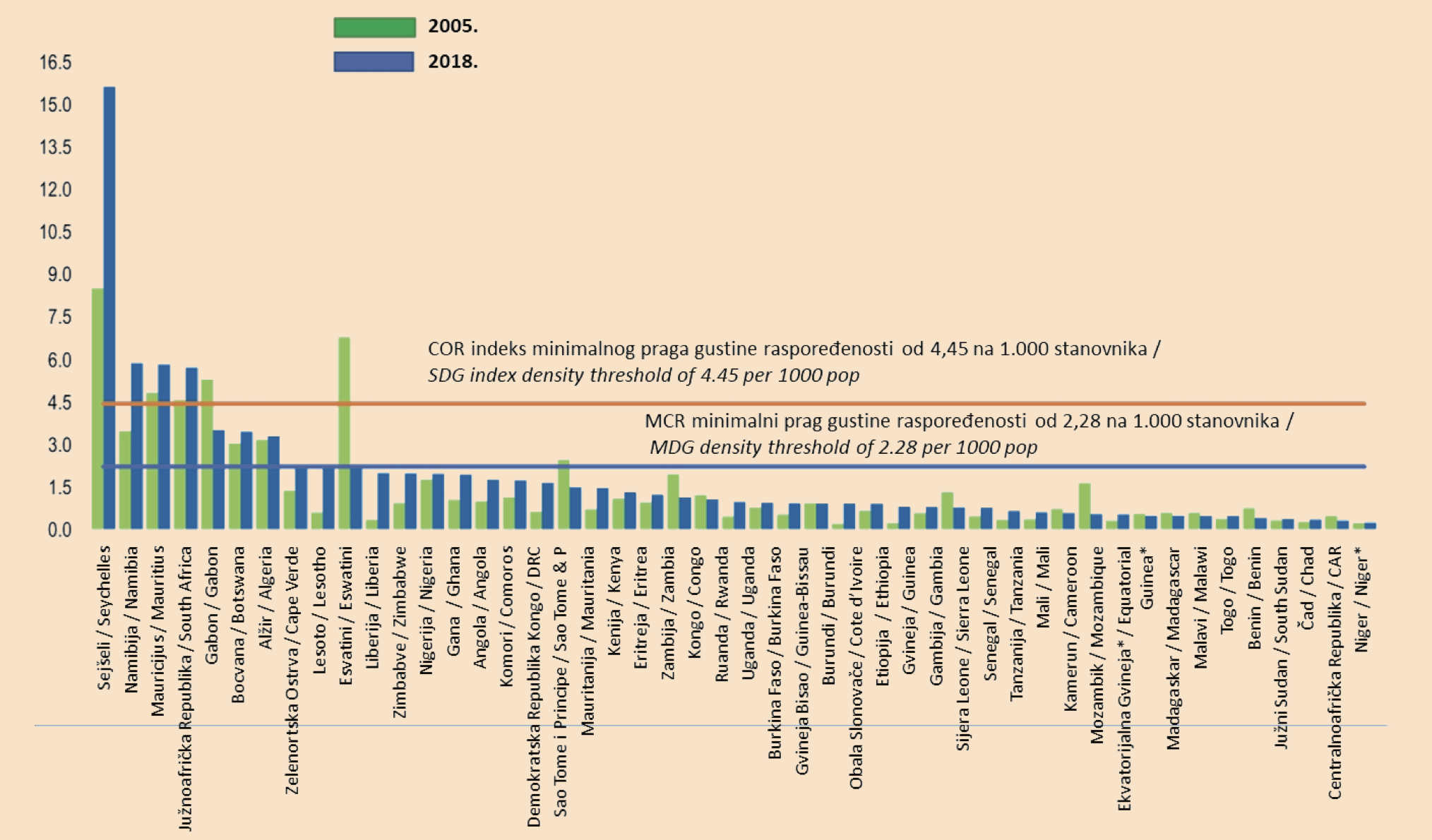
Figure 1 shows that, in 2018, 24 countries in the Africa Region had a health workforce density of fewer than 1.0 doctors, nurses, and midwives per 1,000 inhabitants, while in 13 countries this value ranged between 2.22 and below 1.0 per 1,000 inhabitants.
Nine countries (Algeria, Botswana, Cape Verde, Gabon, Lesotho, Mauritius, Namibia, Seychelles, and South Africa) out of 47 in the region had a density of doctors, nurses, and midwives per 1,000 inhabitants that reached or exceeded the minimum threshold defined by the Millennium Development Goals (MDGs) of 2.28 doctors, nurses, and midwives per 1,000 inhabitants.
Furthermore, our research shows that as of 2018, only four countries (Seychelles, Namibia, Mauritius, and South Africa) had reached or exceeded the minimum threshold density index defined by the Sustainable Development Goals (SDGs) of 4.45 per 1,000 inhabitants (Figure 2), while in Angola that same year, the index was only 1.54 per 1,000 inhabitants [14].
DISCUSSION
The present study examined the challenges in managing the health workforce in the process of achieving universal health coverage in Angola. The results show that Angola faces significant structural challenges in reaching universal health coverage, particularly in the context of demographic changes characterized by rapid population growth. Angola’s population, estimated at 36.7 million in 2023, is projected to reach 74.3 million by 2050, with an annual growth rate of 3.8% [8]. This growth requires a proportional expansion of the health system, which places substantial pressure on infrastructure, human resources, and healthcare financing.
Although it increased from 35%, in 2015, to 45%, in 2022, the health coverage rate still remains below the average required to ensure full access to healthcare for the population. At the same time, countries such as Mauritius report significantly higher rates (91%), which is an illustration of regional disparities. Approximately 20 million people in Angola, representing more than half of the population, still lack access to basic health services.
Additionally, Angola exhibits a high level of socioeconomic vulnerability: 30% of the population lives in extreme poverty, while 15% faces catastrophic health expenditures, limiting access to healthcare and undermining the equity of the system. Life expectancy at birth, although improved from 49.4 years in 2000 to 62.1 years in 2021, remains low, as compared to other parts of Africa.
Morbidity and mortality indicators further reveal the vulnerability of Angola’s health system – a high incidence of tuberculosis (339 cases per 100,000 population in 2023) and of malaria (235.9 cases per 1,000 population in 2022); a high under-five mortality rate (66.87 per 1,000) and a high neonatal mortality rate (26.03 per 1,000) in 2022; as well as a high maternal mortality rate of 221.9 per 100,000 live births in 2020. The leading causes of death in 2021 were respiratory infections, malaria, and tuberculosis.
In terms of infrastructure, Angola had 3,162 public and 3,768 private healthcare facilities in 2021, totaling 6,930 healthcare facilities nationwide [12]. However, the geographical distribution of these services is highly uneven, with significant gaps in provinces such as Bengo, Cabinda, Cunene, South Lunda, and Namibe, which have the lowest absolute number of public hospital facilities. This disparity highlights deep inequalities in access to hospital care, particularly in remote and less urbanized areas. Such a situation undermines the equity of the system and represents a structural challenge present across the country.
In terms of human resources, despite some progress, the numbers remain below the necessary level. In 2021, Angola had: 7,716 doctors (2.48 per 10,000 population), 51,216 nurses (16.45 per 10,000 population), and 12,177 diagnostic/therapeutic technicians (3.91 per 10,000 population) [12]. This density is below the minimum threshold of 4.45 health workers (doctors, nurses, and midwives) per 1,000 population, as recommended by the WHO for achieving universal health coverage [14]. The situation is further worsened by the uneven geographical distribution: around 85% of doctors are concentrated in Luanda and urban centers, while rural areas are often left without adequate healthcare [16].
The lack of qualified professionals, the limited continuing education, and the insufficient incentives for working in remote areas have been identified as key obstacles. The National Health Development Plan (PNDS 2012–2025) recognizes these shortcomings and proposes strategies to strengthen human resource management. However, the implementation of these strategies faces budgetary and structural constraints.
Given the presented data, it becomes clear that achieving universal health coverage in Angola directly depends on continued investment in the training, distribution, and recognition of healthcare workers, as well as the expansion of infrastructure and the strengthening of health governance. Support from international organizations such as the WHO, the World Bank, UNICEF, and the Global Fund, which are already implementing training projects for health professionals, will be crucial in accelerating this process.
CONCLUSION
It has been concluded that, despite significant progress in Angola’s health sector, such as the increase in the number of healthcare facilities and health professionals, the country still faces major structural challenges in its efforts to achieve universal health coverage. Low effective coverage of health services, a high burden of infectious diseases, and alarming child and maternal mortality indicators point to an urgent need for more efficient and sustainable policies.
One of the most serious issues identified is the inequality in the distribution of human resources in healthcare, both between urban and rural areas and between economically wealthier and poorer regions. This undermines equitable access to healthcare and deepens health disparities.
For Angola to advance toward full universal health coverage, strategic investment is essential in education, workforce retention, and better distribution of health professionals, with a focus on equity and system efficiency. It is also critical to strengthen human resource management and governance mechanisms, ensuring that infrastructure investments are accompanied by strong and context-specific human resource policies.
This analysis, therefore, highlights the need for an integrated approach that combines the expansion of the healthcare network, workforce qualification, and data- and evidence-based public policies, with the goal of reducing inequalities and improving health outcomes for the population of Angola.
1
2
Informations

-
Keywords:
-
Received:
-
Revised:
-
Accepted:
-
Online first:
-
DOI:
-
Cite this article:

Teresa Candido
Faculty of Medicine, University of Belgrade, Belgrade, Serbia
Marteres do kifangondo, rua 15, Bloco 55 B, Luanda, Angola
E-mail:
1. World Health Organization. Global strategy on human resources for health: workforce 2030. Geneva: WHO; 2016.
2. World Health Organization. Health workforce: overview and projection 2030. Geneva: WHO; 2020.
3. International Centre on Nurse Migration. Sustain and retain in 2022 and beyond: the global nursing workforce and the COVID-19 pandemic. Geneva: ICNM; 2022.
4. World Health Organization. State of the world’s health workforce: 2022. Geneva: WHO; 2022.
5. World Health Organization. Health and care workforce in Europe: time to act. Copenhagen: WHO Regional Office for Europe; 2022.
6. Sousa A, Craveiro I. Migration of health workers: the WHO code of practice and the global economic crisis. Hum Resour Health. 2022;20(1):4. doi: 10.1186/s12960-022-00727-1.
7. Sousa A, Scheffler RM, Nyoni J, Boerma T. A comprehensive health labour market framework for universal health coverage. Bull World Health Organ. 2013;91(11):892-4. doi: 10.2471/BLT.13.118927. [CROSSREF]
8. World Health Organization. Angola: country profile. Geneva: WHO; 2025 [cited 2025 Apr 15]. Available from: https://data.who.int/countries/024 [HTTP]
9. Ministério da Saúde (Angola). Plano Nacional de Desenvolvimento Sanitário 2012–2025: relatório final da Comissão Multissectorial. Luanda: Ministério das Finanças; 2014 [cited 2025 Apr 15]. Available from: https://admin.mat.gov.ao/uploads/relatorio_final_comissao_multissectorial_pnds_200663155760b0a64397ffa_22f23d9be1.pdf [HTTP]
10. Macosso TDMM, Macosso APZ, Costa MC, Gregório J. Exploratory study on municipalization of health in Angola: characterization of human resources for health staffing and health units’ managers’ profile in healthcare services and training institutions of Cabinda Province. Biomed Biopharm Res. 2022; 119(1):3-18. doi: 10.19277/bbr.19.1.274. [CROSSREF]
11. Direção Nacional de Saúde Pública (Angola). Plano Estratégico Nacional das Doenças Tropicais Negligenciadas (PEN-DTNs) 2021–2025. Luanda: Ministério da Saúde; 2022 [cited 2025 Apr 15]. Available from: https://espen.afro.who.int/system/files/content/resources/Angola_Plano_Estrategico_DTNs_2021_2025.pdf [HTTP]
12. Instituto Nacional de Estatística (Angola). Anuário Estatístico Sanitário 2021. Luanda: INE; 2024 [cited 2025 Apr 15]. Available from: https://ine.gov.ao/Arquivos/arquivosCarregados//Carregados/Publicacao_638375138220811576.pdf [HTTP]
13. World Health Organization. Human resources for health: data and statistics for the WHO African Region. Brazzaville: WHO Regional Office for Africa; 2025 [cited 2025 Apr 15]. Available from: https://aho.afro.who.int/data-and-statistics/af [HTTP]
14. World Health Organization. The state of the health workforce in the WHO African Region, 2021. Brazzaville: WHO Regional Office for Africa; 2021. License: CC BY-NC-SA 3.0 IGO.
15. Japan International Cooperation Agency. Data collection survey on the health system in Angola. Tokyo: TA Networking Corporation, Samauma Consulting LLC; 2021 [cited 2025 Apr 15]. Available from: https://openjicareport.jica.go.jp/pdf/1000045911.pdf [HTTP]
16. Macaia D, Lapao LV. The current situation of human resources for health in the province of Cabinda in Angola: Is it a limitation to provide universal access to healthcare? Hum Resour Health. 2017;15(88). doi: 10.1186/s12960- 017-0255-7. [CROSSREF]
- Table 1. Universal health coverage in Angola and regional comparisons (2022)
- Table 2. National health service facilities by province and type, 2021
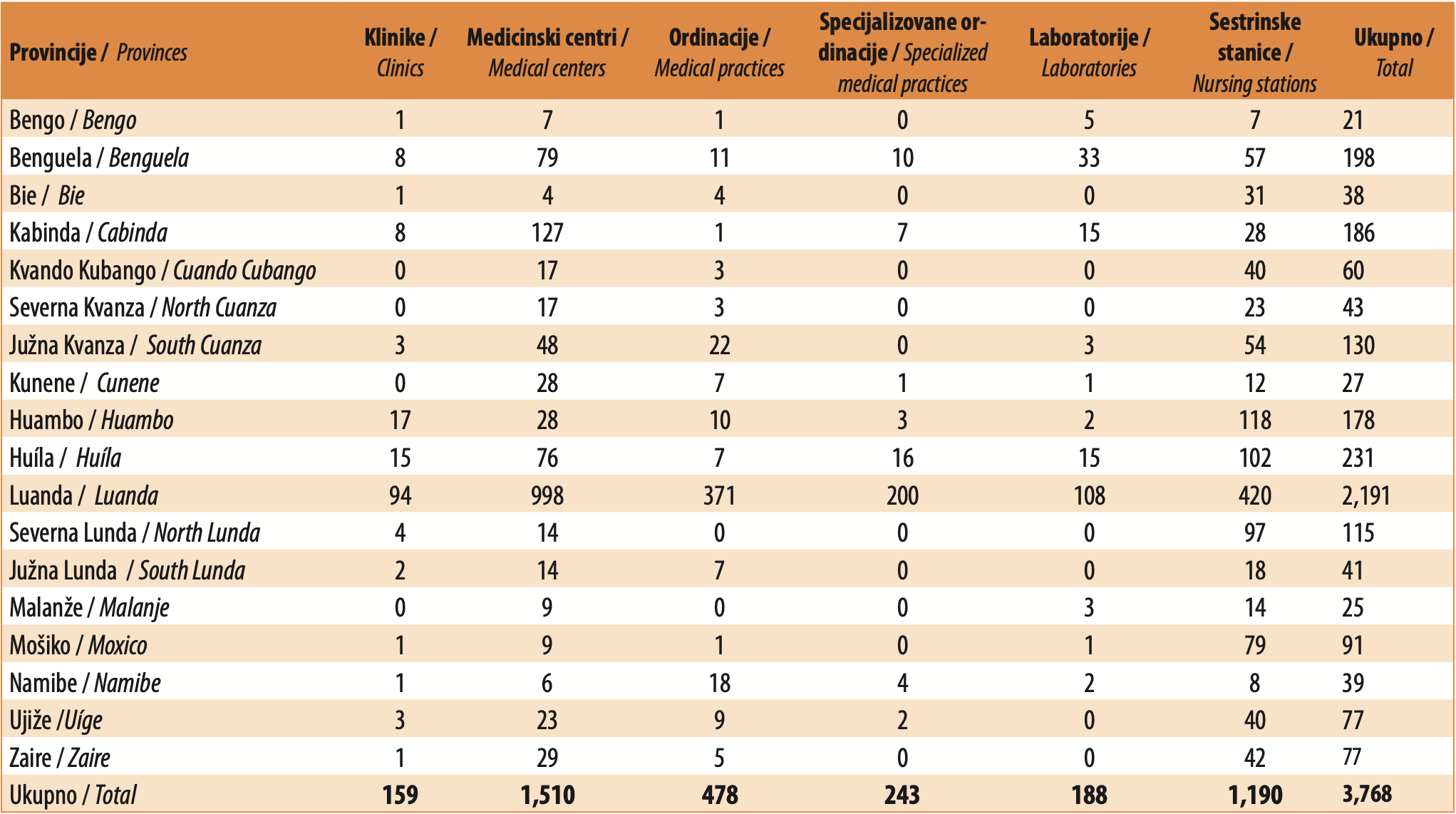
- Table 3. Private healthcare facilities registered in the country, by province, 2021
- Table 4. Distribution of doctors, nurses, diagnostic/therapeutic technicians, administrative staff, and other workers in the public health sector, by province, 2021
- Table 5. Distribution of doctors, nurses, diagnostic/therapeutic technicians, administrative staff, and other workers in the private health sector, by province, 2021
- Table 6. Distribution of doctors, nurses, diagnostic/therapeutic technicians, administrative staff, and other workers in other sectors (National Police of Angola, Armed Forces of Angola, NGOs), by province, 2021
- Figure 1. Density of doctors, nurses, and midwives per 1,000 population in the Africa region in 2018
- Figure 2. Density of doctors, nurses, and midwives per 1,000 population, in 2005 and 2018, in the Africa Region