


Human resource management at Namibe provincial hospital - N’Gola Kimbanda, Angola
- Tundavala Higher Polytechnic Institute (ISPT), Huila - Angola
- University of Belgrade, Faculty of Medicine, Belgrade, Serbia
- University of Belgrade, Faculty of Organizational Sciences, Belgrade, Serbia
- Namibe Provincial Hospital “N´GOLA KIMBANDA”, Outpatient Consultation Area, Namibe, Angola
ABSTRACT
Human resource management in the health sector encompasses planning, recruitment, selection, training, career development, performance evaluation, and efforts to enhance the quality of life for workers. However, the sector is facing a crisis due to challenges in human resource management, including workforce shortages, inefficient role distribution, inadequate working conditions, skill gaps, and management strategies that fail to align with the needs of the population. This research aims to analyze human resource management at the Namibe Provincial Hospital “N’Gola Kimbanda” and develop an action plan for its improvement.
INTRODUCTION
Since the 1990s, the information age has driven employee management toward a more humanistic approach, emphasizing policies that recognize and nurture human capital within organizations [1]. An effective management system relies on clear objectives to ensure efficiency and effectiveness, along with managers who demonstrate strong strategic leadership. In the health sector, human resource management encompasses planning, recruitment, selection, training, career development, performance evaluation, and initiatives to enhance employees’ quality of life. However, the health sector is experiencing a crisis in human resource management, marked by a shortage of professional staff, inefficient role distribution, poor working conditions, skill and knowledge limitations, and management strategies misaligned with population needs. These issues lead to stress, dissatisfaction, and low self-esteem among employees, while also compromising the availability and quality of care. Therefore, it is crucial that managers adapt traditional practices to the modern needs of employees and organizations.
The term “human resources for health” emerged in the 1950s through analyses of medical training, driven by the Pan American Health Organization [2]. In the 1970s, the systemic development of human resources for health was supported through the Strategic Preparation for Health Personnel program [3]. Although the Pan American Health Organization has aimed to establish guidelines for the continuous education of health personnel, enabling them to analyze their work environment, identify challenges, foster engagement, and contribute to decision-making, the role of human resources in health systems has long been undervalued. The shortage of professional staff in many health programs has been a major obstacle to achieving established goals. Today, patient satisfaction is considered one of the key indicators of the competitiveness of healthcare organizations. It is acknowledged that, alongside positive treatment outcomes, the quality of services provided is a key factor in attracting patients to a particular health center. As a result, health managers focus their efforts on effectively managing human resources to deliver high-quality services, thereby enhancing patient satisfaction [4].
Human resources for health are now regarded not only as strategic capital but also as the primary resource driving the functioning of any health system [5]. However, the quality and accessibility of health services depend on key factors such as the number, geographical distribution, and skills of the healthcare workforce. One of the biggest challenges, particularly for low-income countries, is workforce organization. This includes training that is not aligned with the population’s needs, limited capacity among workers to meet user demands, and difficulties in attracting and retaining skilled professionals. Moreover, there is an urgent need to ensure a fair and efficient distribution of human resources. To address this, it is essential to develop health human resource management policies strategically, aimed at improving the distribution, training, and qualifications of professionals, particularly in lower-income countries.
The health workforce challenges and issues in Angola
According to the Basic Law on the National Health System of Angola [6], the state is responsible for ensuring universal access to healthcare, within the limits of available human, technical, and financial resources. Furthermore, training and professional development, including ongoing education in the health sector, are recognized as essential for the system’s continuous advancement.
The development of human resources for health in Angola, overseen by the Ministry of Health, has made significant progress over the past five years, particularly in the fields of medicine, nursing, diagnostic technology, and paramedics. This growth has facilitated more timely and effective solutions to healthcare challenges. Current indicators show that for every 10,000 inhabitants, there are two doctors (2/10,000), nineteen nurses (19/10,000), four diagnostic and therapeutic technicians (4/10,000), five hospital auxiliary workers (5/10,000), and eleven general workers (11/10,000). Additionally, the unequal geographical distribution of personnel in the sector poses a significant challenge for the Human Resources Planning, Management, and Development Program [7]. In Angola, there are notable disparities in medical density across provinces and municipalities, with a higher concentration of professionals in urban areas. This imbalance negatively affects rural and remote regions, contributing to inequalities in the quality of services. As a result, there are issues such as hospital overcrowding, delays in care, and long waiting lists for surgical procedures. In many cases, these factors are linked to higher mortality rates.
In 2020, an assessment by the National Neglected Tropical Disease Control Program revealed a lack of training and limited capacity among provincial and municipal managers in areas affected by neglected tropical diseases [8]. The research found that the health workers interviewed had limited knowledge of the pathophysiology and control methods for neglected tropical diseases in Angola. These findings underscore the urgent need to invest in professional development to ensure the effective implementation of technical guidelines for NTD control programs at all levels [8].
Inequalities in universal access to healthcare, a weak referral and counter-referral system across all three levels of protection, shortages in both the quantity and quality of human resources, uneven distribution between urban and rural areas, and poor management of medications and medical resources have all contributed to ineffective management and regulation of Angola’s National Health System. This has led to a decline in the population’s health, driven by the dual burden of infectious and chronic non-communicable diseases, resulting in increased morbidity and mortality, particularly among the most vulnerable groups [9].
The importance of human resource management in healthcare institutions
In a fast-paced environment where information spreads quickly, healthcare institutions are increasingly tasked with being creative, innovative, and cost-effective. As such, access to accurate information is essential for understanding the complexities of human resource management and for building competent, high-performing teams. A supportive work environment that fosters security, motivation, and encouragement enables individuals to perform at their best. Human resource management in healthcare organizations is a critical component for ensuring the quality and efficiency of healthcare service delivery [10].
Among the various management elements, people are the most dynamic and valuable asset in hospitals and other healthcare institutions.
From Sambo’s perspective [1], human resource management is crucial as it oversees an individual’s journey within the institution, from their entry through formal procedures to their departure, whether through retirement or resignation. The World Health Organization [5] highlights the critical role of human resources in health systems, encompassing various dimensions such as workforce composition and distribution, training, professional qualifications, the labor market, work organization, regulation of professional practice, labor relations, and traditional personnel management. In addition, healthcare HR teams navigate complex government regulations, union contracts, and rising labor costs. They also encounter unique challenges related to security, stress levels, and staff shortages [11]. The Human Resources team is responsible for ensuring proper documentation of work regulations, regularly updating employee data, and collaborating with the legal department to develop and implement training programs that ensure compliance with the law and minimize the risk of illegal actions. Therefore, it is essential for organizations to adopt a comprehensive view of this field, focusing on the most valuable resource – people.
The aim of this research is to analyze the management of human resources at the Namibe Provincial Hospital “N’Gola Kimbanda” and develop an action plan for its improvement. This study employs a descriptive design, utilizing both quantitative and qualitative approaches to describe the phenomenon within the population and identify the characteristics of the population or a representative sample.
METHOD
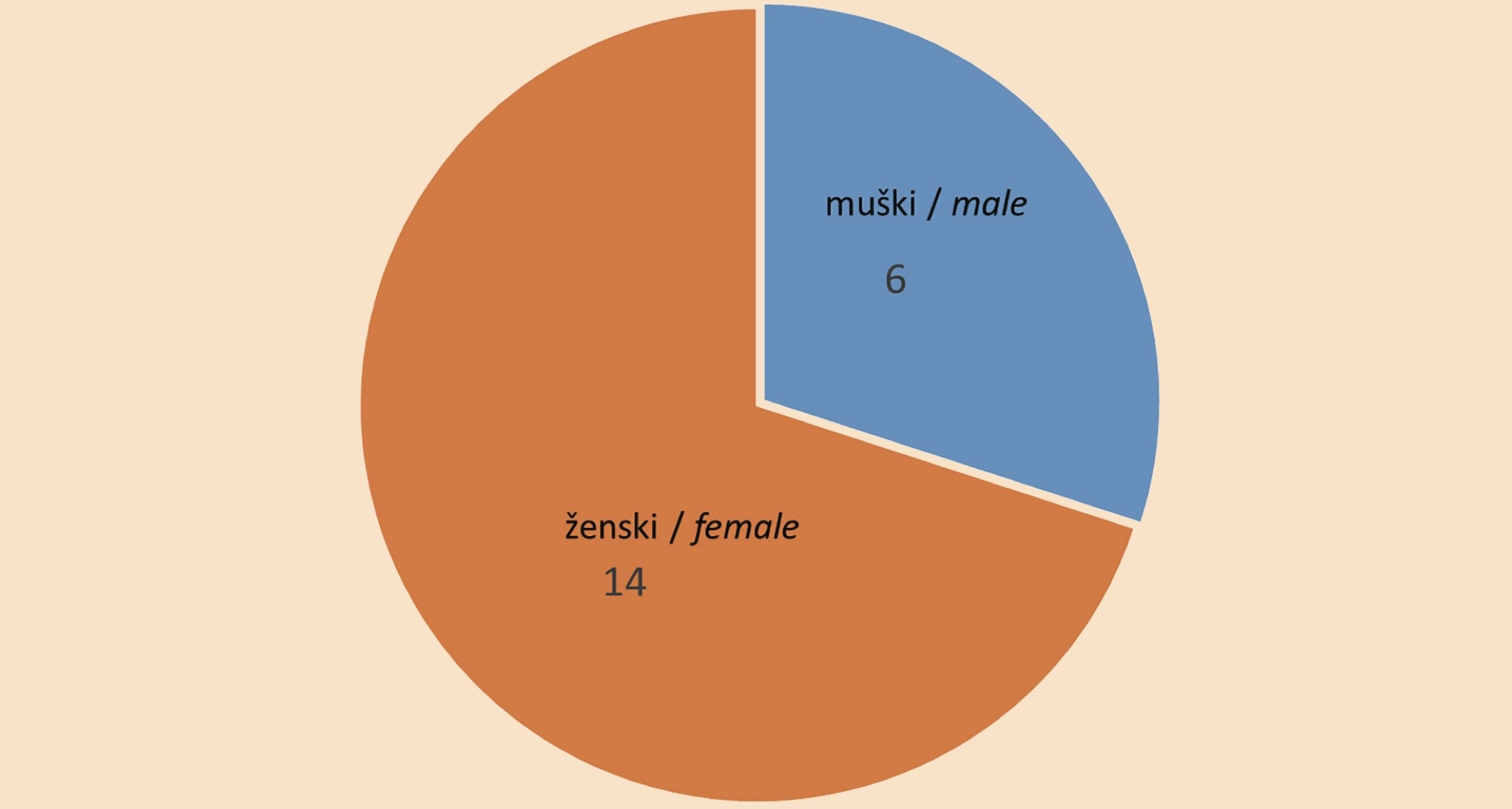
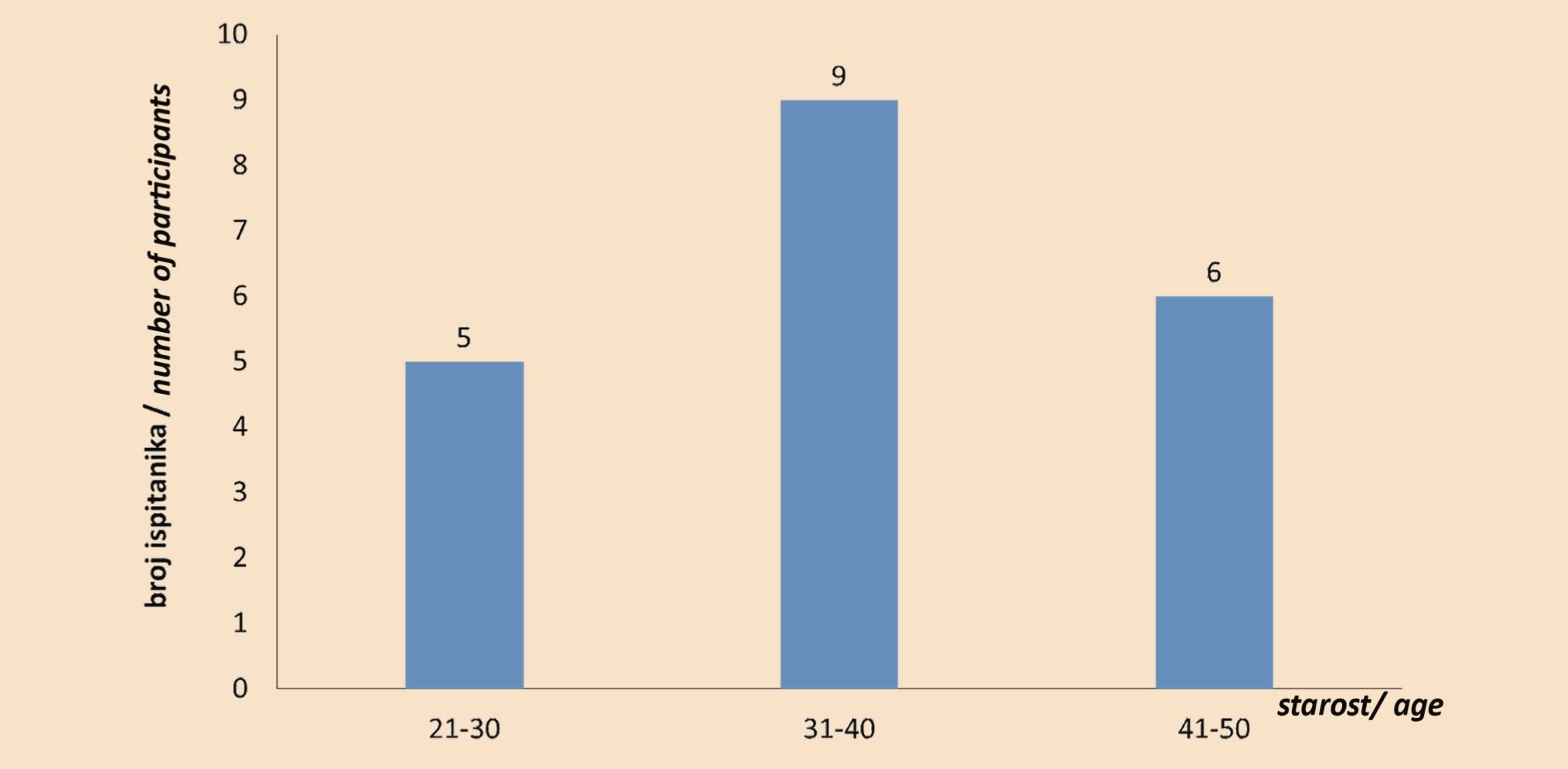
Research on human resource management at Namibe Provincial Hospital “N’Gola Kimbanda” was conducted from February 5 to 15, 2025, through a survey. The survey included 20 participants, comprising department heads and deputy heads from orthopedics, external consultations, laboratories, emergency services, and other departments, as well as those responsible for human resources and the department of continuous education. Among the respondents, there were 14 female professional and six male professionals. In terms of age, six respondents were between 41 and 50 years old, nine were between 31 and 40 years old, and five were between 21 and 30 years old. Regarding seniority, 12 respondents had more than 10 years of experience, while six had less than 10 years of experience. It is important to note that the professionals involved in our research demonstrated a strong willingness to participate, especially given their key roles as heads and deputy directors, which were crucial to the management and daily operations of the hospital. Their experiences and insights offer a valuable perspective on the effectiveness of HR policies, allowing for a more in-depth analysis of the management process. The survey began by explaining the research purpose to the respondents. The questions, with answers on a scale of 1 to 4, were translated into their native language and sent via email. Respondents were offered the option of an interview to clarify any questions or answers. The questionnaires were completed by hand, and the responses were scanned for subsequent analysis. It is important to note that all responses were kept anonymous.
The research instrument used was a questionnaire for the rapid assessment of human resource management, originally developed by the World Health Organization in 2004 to evaluate various aspects of human resource management in the health sector. Our study utilized the third edition of the questionnaire, which was updated in 2012 with the support of the American Organization for International Development [12]. The first part of the questionnaire collected socio-demographic data, while the second part included questions directly related to the research topic: human resource management at Namibe Provincial Hospital “N’gola Kimbanda,” Angola. Respondents were asked to rate their agreement with statements about the existence, completeness, development, and use of various HR management practices for both operational and strategic purposes. Responses were provided on a scale of 1 to 4: 1 (partially or completely exists), 2 (content is complete or being developed in that direction), 3 (content is complete and used for its intended purpose), and 4 (it is also used for strategic functioning).
Statistical analysis
Data were described using graphical displays, showing both absolute frequencies and relative proportions. The association between age categories and domain scores was assessed using Spearman’s rank correlation coefficient. Statistical hypotheses were tested at a significance level (alpha) of 0.05. All data were analyzed using the IBM SPSS Statistics 22 software package (IBM Corporation, Armonk, NY, USA).
RESULTS
Characteristics, Organization, and Distribution of Professionals at Hopital Provincial do Namibe „N’Gola Kimbanda"
The Namibe Provincial Hospital “N’Gola Kimbanda,” located on Amilcar Cabral Street, near the Namibe Polytechnic School, serves as the primary reference hospital in Namibe Province, renowned for the quality of its services and capacity to accommodate patients. The hospital offers a comprehensive range of medical services, including general medicine, surgery, orthopedics, ophthalmology, dentistry, otolaryngology, emergency care, intensive care, dermatology, cardiology, neurology, outpatient consultations, pharmacy, imaging, clinical analysis, chemotherapy, and voluntary HIV testing [13].
Namibe Provincial Hospital “N’Gola Kimbanda” currently employs 150 nurses, 105 therapeutic and diagnostic technicians, and 147 support specialists. The professional team is strategically distributed to ensure efficient service delivery, with the following allocation: 2 doctors, 24 nurses, and 7 specialists in the surgical block; 27 doctors, 28 nurses, and 11 emergency specialists; and 2 doctors, 15 nurses, and 5 support specialists in the Intensive Care Unit. In addition, the hospital provides outpatient consultations with 3 doctors, 5 nurses, and 6 other specialists, as well as radiography services with 4 doctors, 19 technicians, and an additional specialist. In the orthopedics department, the team includes 7 doctors, 18 nurses, and 7 other specialists. For general medicine, there are 5 doctors, 18 nurses, and 4 other professionals, while the surgery team consists of 6 doctors, 16 nurses, and specialists from various fields. The shortage of specialists remains a significant challenge. As a result, many patients, particularly those with head injuries or kidney failure, must be transferred to Lubango Central Hospital in Huila Province. These transfers incur high costs for transportation, food, and accommodation for family members, while also adding to the logistical challenges faced by the hospital.
In summary, despite these challenges, the hospital’s continuing education service remains essential, playing a key role in the education and professional development of both technical and administrative staff. Guided by values such as ethics, humanism, innovation, competence, and institutional commitment, the hospital consistently strives to enhance teaching, training, and research activities. It collaborates closely with human resources, clinical management, and nursing teams to improve the expertise and efficiency of employed technicians across all improvement initiatives [13].
Based on Chart 2, it can be concluded that 9 of the surveyed professionals are between the ages of 31 and 40, 6 are between 41 and 50, and 5 are between 21 and 30.
The development level of human resource management capacity at Namibe Provincial Hospital “N’Gola Kimbanda” was evaluated based on factors such as the budget and the personnel responsible for human resource management functions. Regarding the staff in charge of human resource management, 15 experts rated the level as 2, indicating the presence of a human resource team, albeit with limited experience in the field. Five experts rated it at level 3, suggesting that there are human resources staff, but their responsibilities are confined to handling only the most basic procedures.
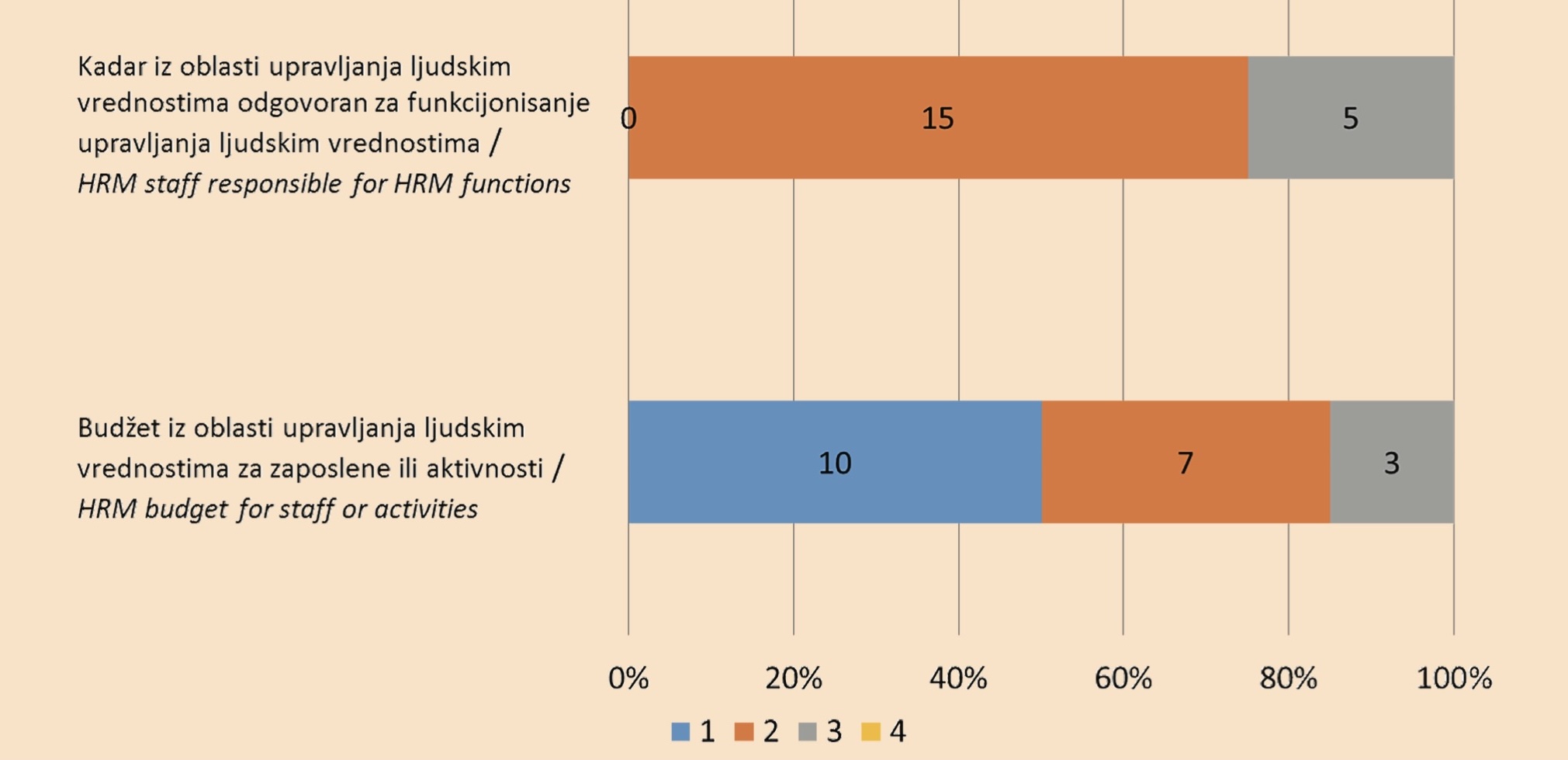
Regarding the human resource management budget for personnel or activities, 10 employees selected grade 1, indicating the absence of a budget. Seven experts chose grade 2, suggesting a limited budget, while three employees selected grade 3, implying that a budget is allocated, but it is irregular and unreliable in the long term. It is important to note that, based on the data presented, the development level of human resource management capacity at the hospital reflects significant challenges. While a personnel team exists, its functions are limited, which directly impacts the efficiency of human capital management within the institution.
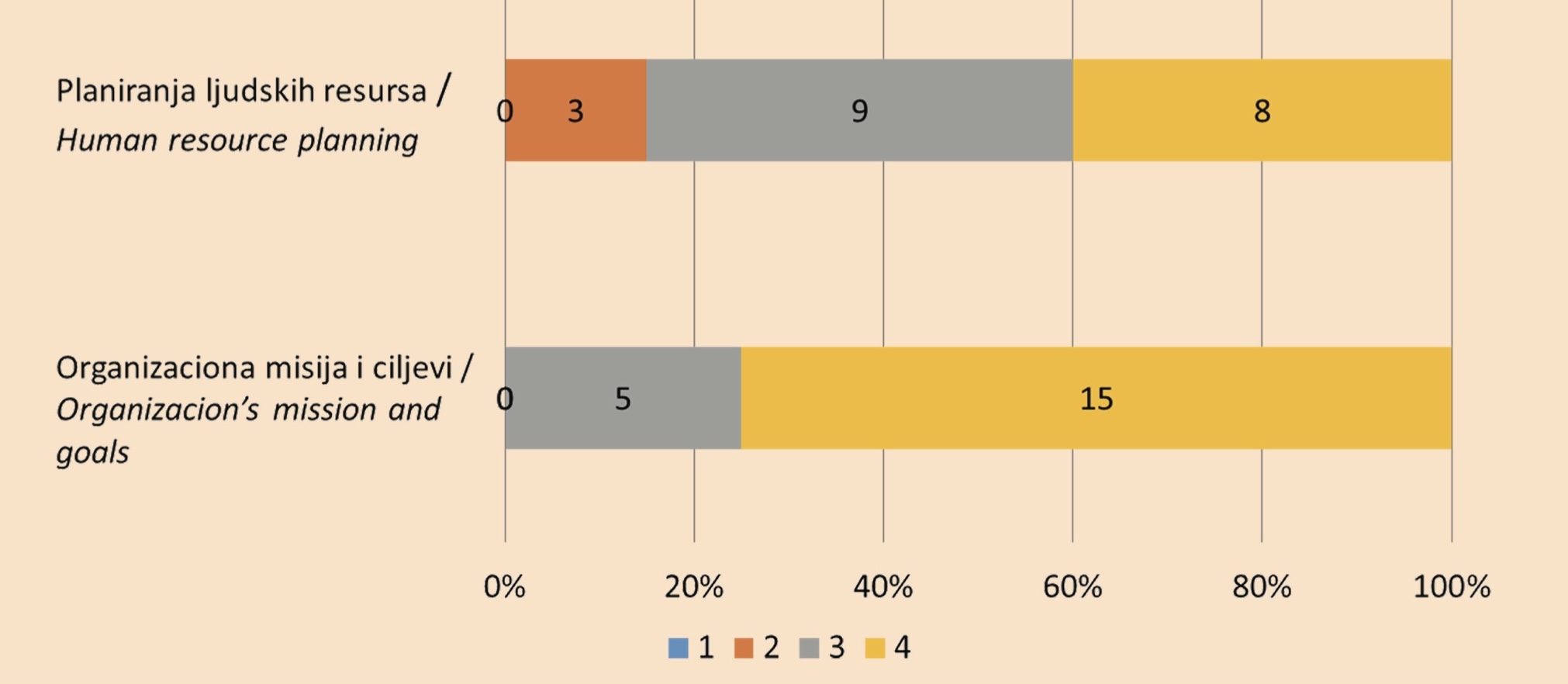
Regarding human resource planning, 3 respondents selected level 2, indicating that an annual personnel plan exists but is not integrated with the institution’s overall plan. Nine respondents (level 3) believe the plan is integrated with the institution’s plan, but lacks effectiveness. Eight respondents chose level 4, signifying that the annual personnel plan is both integrated with the institution’s plan and serves a development-strategic purpose. Five respondents selected level 3, suggesting that the mission and goals are aligned with annual personnel planning, while 15 respondents chose level 4, indicating that the mission and goals are aligned with both annual and long-term personnel planning and development.
Regarding employee files, 7 of the interviewed professionals selected level 2, indicating that individual employee files exist but are not regularly updated. Two respondents chose level 3, suggesting that the files are both present and regularly updated, but there are no regulations governing their use. Notably, 11 respondents indicated level 4, meaning that the files for all employees are regularly updated, and regulations on their use are in place.
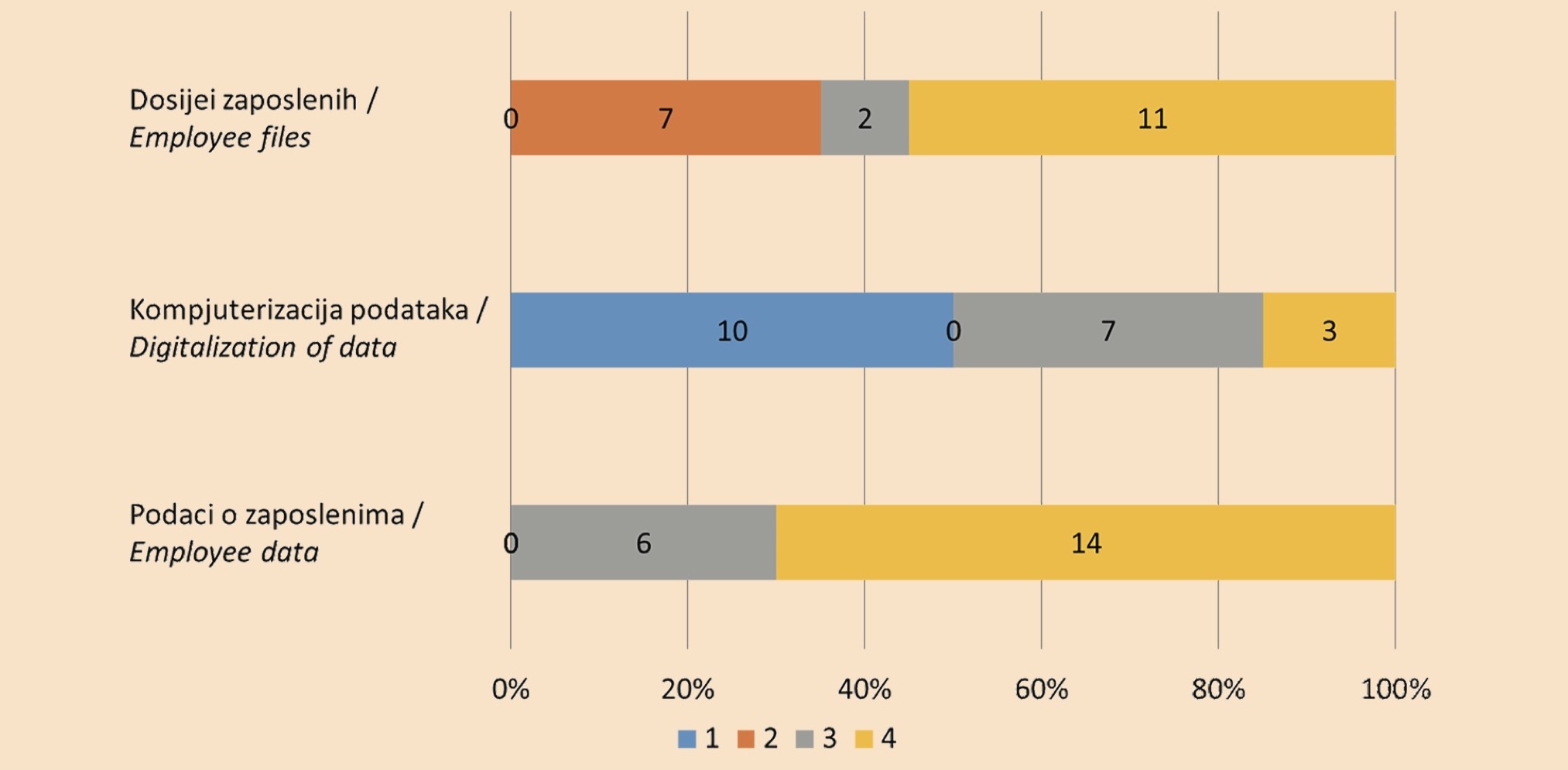
Regarding data digitization, 10 respondents selected level 1, indicating that data digitization is not implemented. However, 7 respondents chose level 3, stating that the files are partially digitized, while 3 respondents selected level 4, suggesting that the files are fully digitized, regularly updated, and employees are trained to maintain them. Regarding employee data, 6 respondents chose level 3, meaning that all data is available and up-to-date but not formally utilized, while 14 respondents selected level 4, indicating that all data is available, up-to-date, and used for staff development purposes.
Eleven respondents selected level 2, indicating that there are some efforts, but they are irregular. Two respondents chose level 3, highlighting that compliance with the Labor Law is regular but not consistently adhered to. Meanwhile, 7 respondents selected level 4, meaning that compliance with the Labor Law is both regular and fully adhered to. Regarding relations with trade unions and the application of the Labor Law, 13 respondents indicated level 3, suggesting that there are no established relations, while 7 respondents chose level 4, emphasizing that the union plays an active role in addressing or preventing issues.
Regarding disciplinary procedures, as well as procedures for appeals and dismissals, three respondents selected level 3, indicating that there are clear formal instructions, but they are not consistently implemented. In contrast, 17 respondents selected level 4, suggesting that the formal procedures are clear, wellknown to all employees, and consistently enforced. When it comes to the policy manual, 12 respondents chose level 1, indicating that the manual does not exist. Three respondents selected level 3, suggesting that a valid manual exists but is not available to all employees and is not consistently used in decision-making. Meanwhile, five respondents selected level 4, indicating that the manual is valid, accessible to all employees, and consistently used for decision-making.It is also noteworthy that 12 respondents indicated level 2, revealing that there are formal orientation programs, but they are not regularly implemented. Two respondents selected level 3, indicating that orientation is routinely provided but not comprehensive, while six respondents indicated level 4, suggesting that orientation is routinely provided and thorough.
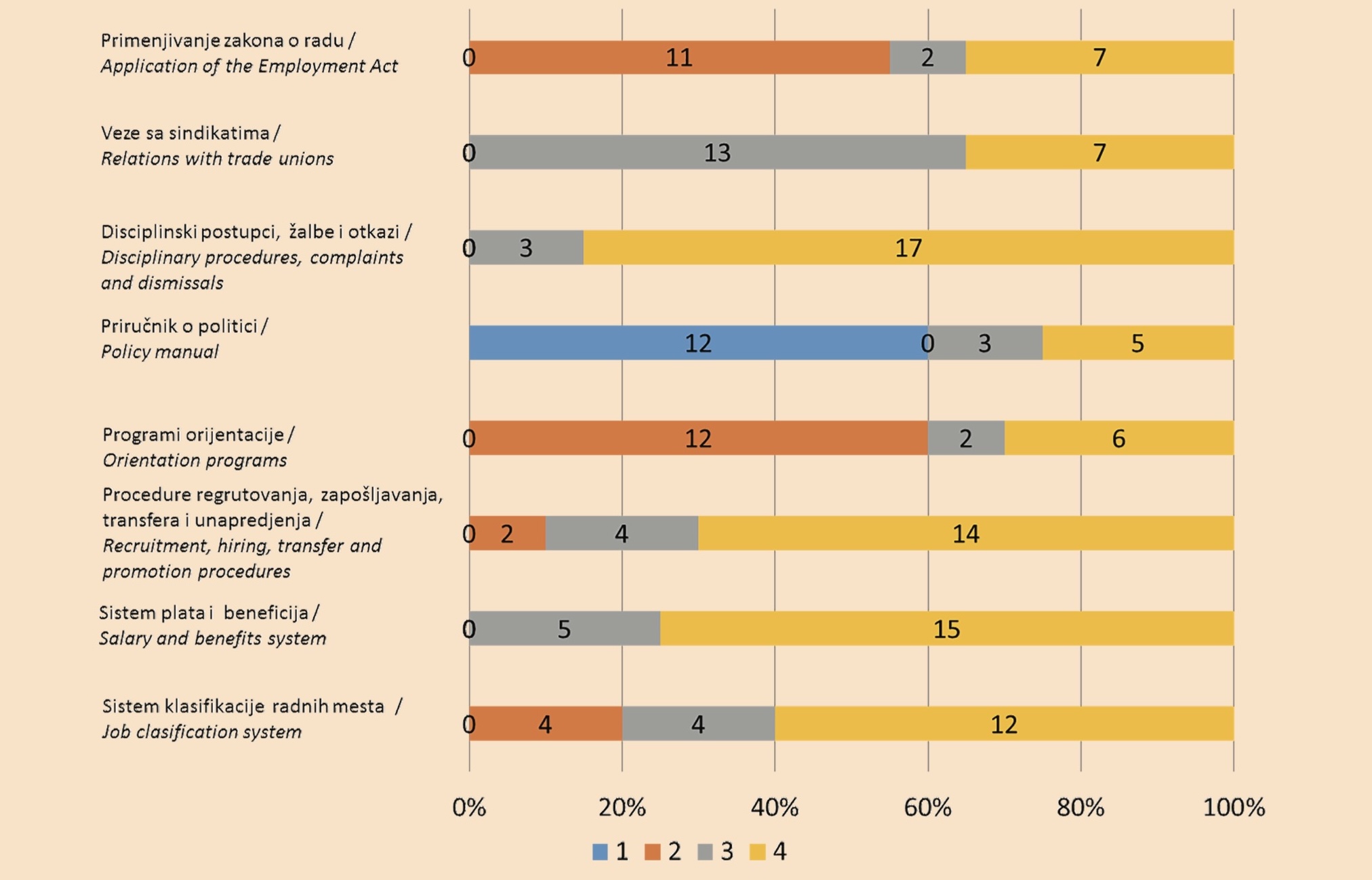
Regarding the system of recruitment, employment, transfer, and promotion, two of the surveyed respondents selected level 2, indicating that the procedures are not implemented. Four respondents chose level 3, suggesting that the procedures are not consistently applied. Meanwhile, 14 respondents selected level 4, indicating that formal systems are used both for decision-making and for ongoing monitoring.
Regarding the pay and benefits system, 5 of the surveyed experts selected level 3, indicating that all employees are routinely informed. Meanwhile, 15 respondents chose level 4, emphasizing that there is a formal pay system in place that regularly applies benefits for development purposes. In terms of the Job Classification System, 4 experts indicated level 2, suggesting that there are attempts, though uncertain and incomplete. Four others chose level 3, indicating that the system exists but is not used for other HRM functions, while 12 professionals selected level 4, indicating that the system exists and is officially used for other HRM functions.
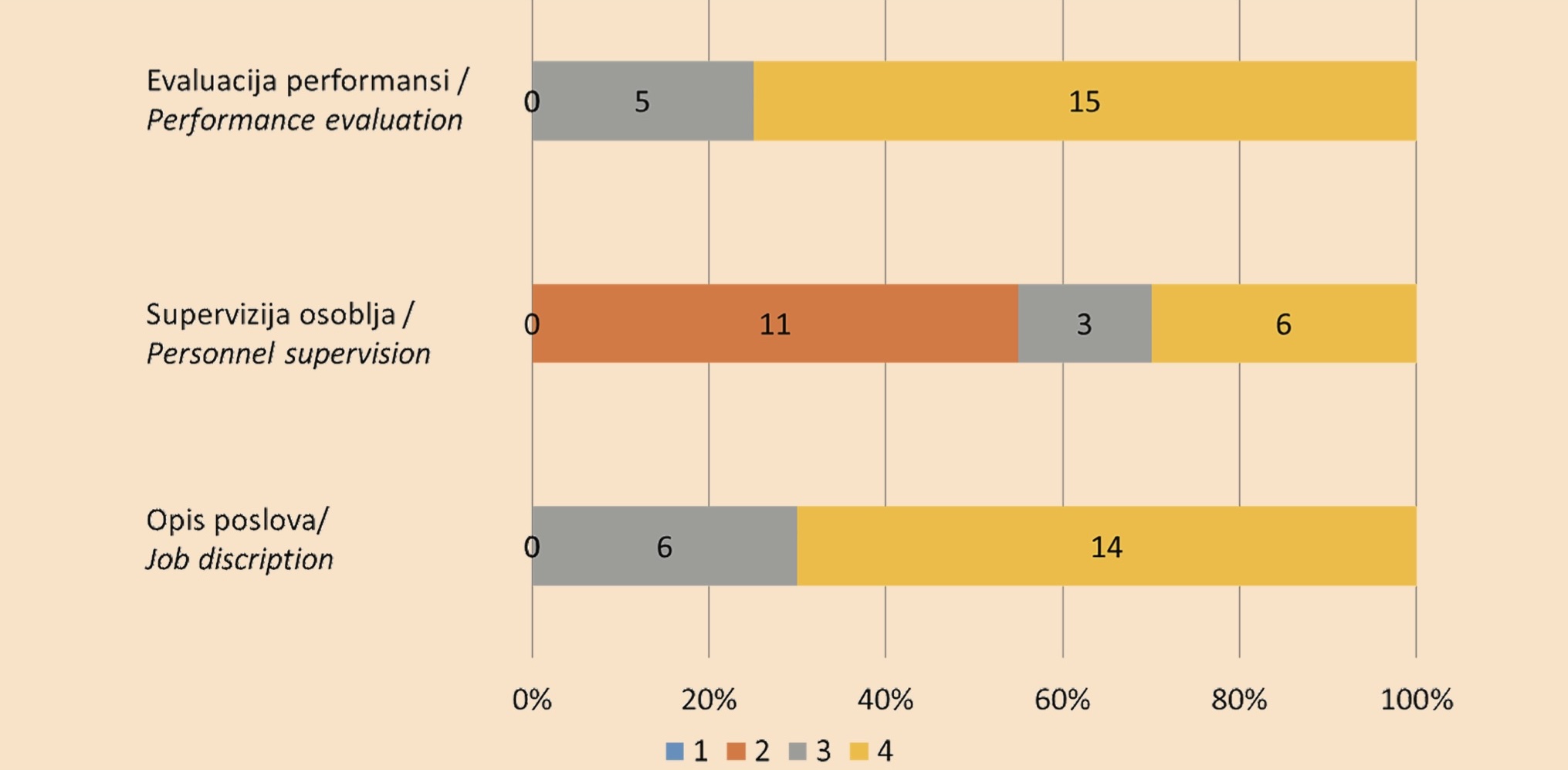
Regarding performance evaluations, five respondents selected level 3, indicating that while a system exists for each employee, it is not conducted regularly. Fifteen professionals chose level 4, signifying that evaluations are conducted consistently and contribute to both performance improvement and decision-making. Additionally, eleven professionals selected level 2, suggesting that supervision is present but its purpose and outcomes are not well understood or effectively utilized. Among those who chose level 3 (three respondents), supervision is perceived as regular and beneficial for employees. Meanwhile, six professionals selected level 4, indicating that supervision not only enhances performance but also supports professional development.
Regarding the job description, six experts selected level 3, indicating that specific descriptions exist for all positions, are regularly updated, and are used in assessments. Fourteen experts chose level 4, meaning that all jobs have clear descriptions and are subject to regular evaluation.
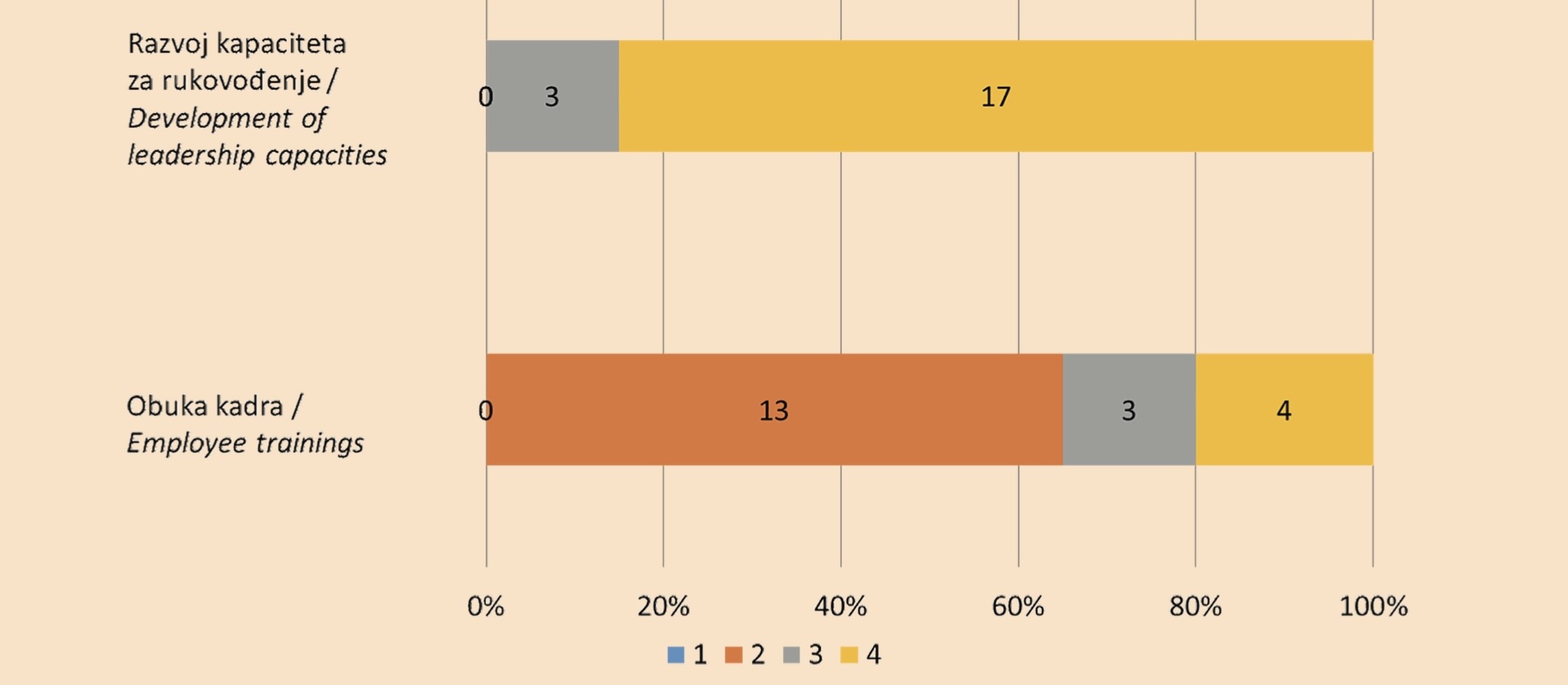
Regarding the development of leadership capacities, the data indicate that three surveyed professionals selected level 3, meaning that opportunities and programs exist but are limited to senior staff. In contrast, 17 respondents chose level 4, signifying that such programs are available to all employees and actively used by the institution to foster leadership development.
Regarding employee training, 13 respondents selected level 2, noting that education and training are offered occasionally but are not a priority. Three respondents chose level 3, indicating that training is aligned with actual needs, though there are no supporting mechanisms in place. Meanwhile, four respondents selected level 4, meaning that training is an integral part of the job, tailored to real needs, and supported by developed mechanisms within the institution to ensure its continuity.
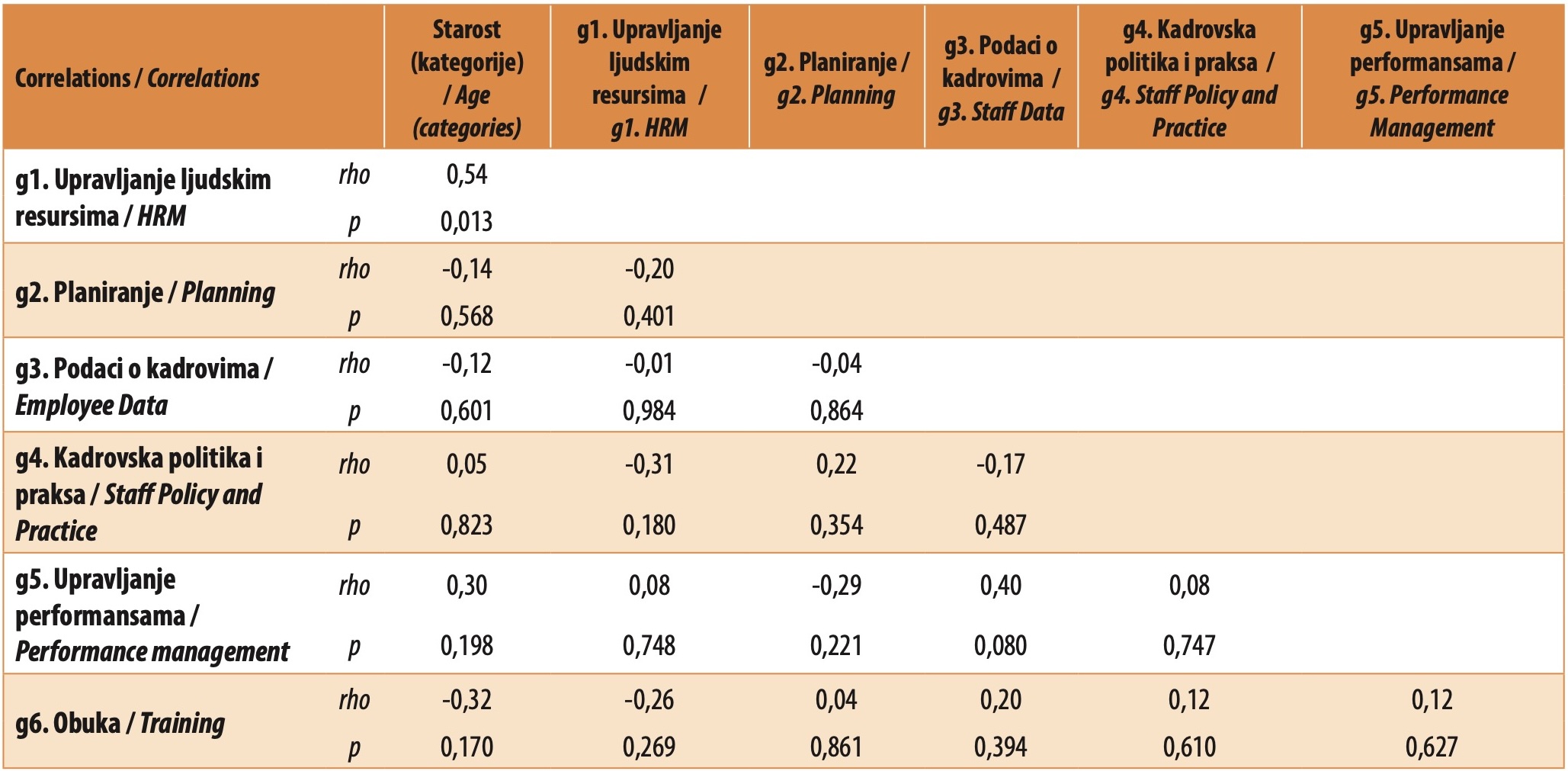
There is a statistically significant positive correlation between age categories and HRM scores (rho = 0.54; p = 0.013), indicating that older age categories are associated with higher HRM scores.
DISCUSSION
Despite the progressive increase in human resources within Angolan healthcare to address the growing demand, an analysis of human resources at the Namibe Provincial Hospital "N’Gola Kimbanda", reveals both advancements and challenges that directly impact the quality and efficiency of services provided. The human resource management system has notable shortcomings that hinder its ability to effectively meet the expanding healthcare needs.
The research findings indicate that while the institution has a team responsible for human resource management, its effectiveness is limited. Human resource management experts have limited experience in the field, primarily focused on implementing basic procedures. This highlights that, although a formal structure exists, its functionality remains constrained. Moreover, the lack of a dedicated budget for human resource management poses a significant challenge, compounded by irregular budget allocations. These issues underscore the need for better resource allocation to strengthen this critical area. Another critical issue is human resource planning, which, although in place, lacks effectiveness and is not integrated into the institution’s overall plan. This misalignment hampers the ability to accurately forecast staffing needs and adapt the workforce to the evolving demands of the hospital [14]. Furthermore, many African countries lack reliable data on healthcare workers, including information on their numbers, categories, distribution, levels of practice, and turnover rates. As a result, the measures implemented to improve human resources in the health sector often fail to align with the actual needs and realities on the ground [15]. For instance, rather than solely focusing on training key employees for specific services, a more effective approach could involve redeploying existing experts, with an emphasis on enhancing performance, increasing salaries, and strengthening team motivation and retention [16]. The lack of computerized data is a major challenge faced by many hospitals in Africa, including Angola [17]. Incomplete or outdated records, coupled with the absence of an automated system, hinder the ability to maintain and utilize reliable information. This not only negatively impacts the management of employee performance but also complicates the process of making informed strategic decisions.
The results of the job description survey indicate that supervisory processes are neither well understood nor effectively utilized. While supervision is in place, its implementation remains unclear and inefficient. According to Sambo [1], overcoming organizational challenges requires the development of both organizational and human resource management skills. However, despite the existence of orientation programs for new employees at "N’Gola Kimbanda" Hospital, their implementation remains inconsistent. This inconsistency can hinder the integration and performance of new employees, directly impacting the quality of services provided. Therefore, while structured processes are in place, it is crucial to enhance the understanding and application of practices such as supervision. This will ensure that all people management tools are utilized optimally and effectively.
Additionally, the results highlight challenges in implementing training programs and capacity-building initiatives for HR management, particularly in integrating training into the institutional strategy and providing adequate support mechanisms. The growing importance of personnel management training is reinforced by other researchers, who assert that managers are not merely administrators but key drivers of organizational culture, talent development, and overall success [18]. However, the research results are subject to limitations, such as biased responses, lack of knowledge, insufficient information, or misinterpretation. As a result, this research prompted respondents to strategically consider issues they may not have previously addressed, owing to the structured approach of the questionnaire [12]. To build effective personnel management systems within the hospital, it is crucial to emphasize that “information should not be collected sporadically, as needs arise, but routinely, through established mechanisms that meet the requirements of managers in decision-making” [5]. The relevance of this research is further validated by the recent announcement that in April 2024, the Ministry of Health of Angola launched education programs for universal health coverage, which will include human resource management training, supported by the World Bank [19].
Practice implications
Given the above, it is crucial to emphasize that human resource management in the healthcare sector remains weak in many countries, with a lack of capacity being a significant barrier to the successful implementation of health human resource interventions. For hospital staff, effective management of healthcare professionals has a direct impact on training, teamwork, promotion opportunities, autonomy, financial incentives, performance appraisal, employee retention, motivation, and service quality [20],[21]. Therefore, the hospital where the research was conducted must invest in strategic solutions, including integrating human resource planning with the institution’s overall strategic planning, implementing a computerized data system, enhancing supervision, and strengthening training and professional development.
According to the WHO [5], most countries will need to invest in professional development programs, such as training, coaching, mentoring, and professional support, to strengthen human resource management frameworks and capacity at all levels. Many countries will also need to initiate or enhance leadership development programs to improve supervisory capacity in rural areas and create an environment conducive to attracting and retaining healthcare workers. At the central level, HR managers and policymakers who can effectively communicate with stakeholders, analyze their power and interests, and negotiate trade-offs are essential for developing long-term, sustainable HR strategies. These strategies should include measures to improve the retention of healthcare workers in remote and rural areas.
In line with the above, this research highlights the need for strategic development of human resource management capacities within the hospital. This includes establishing a dedicated annual budget and either hiring or training experts for the role of human resources managers. One of the hospital’s key priorities is integrating human resource planning into the institution’s overall strategic planning to ensure the availability of necessary staff both annually and long-term. The implementation of a computerized system for managing human resource data, along with the digitization of all records and processes, would enable systematic, regular performance evaluations and timely updates of employee data. This would foster more efficient and agile personnel management, continuous performance improvement, and the professional development of staff. Additionally, if the hospital were to establish a performance monitoring system, structure a management training program, and develop both basic and leadership skills, evaluations could be used to support employee promotion and development.
CONCLUSION
Namibe Provincial Hospital "N’Gola Kimbanda" has implemented some structured practices in human resource management, but it faces several challenges that must be addressed. These include insufficient budgeting for the sector, poor integration of human resource planning with broader institutional planning, outdated employee data, ineffective supervision, and the absence of a functional computerized system. These issues present significant barriers to effective management.
It is important to emphasize that the effective implementation of strategies to improve human resource management and institutional performance is crucial to the long-term success of the institution. Therefore, investing in continuous improvement, transparency, and the valorizations of human capital is essential, ensuring the institution is well-prepared to tackle future challenges and achieve its strategic goals
Informations

-
Keywords:
-
Received:
-
Revised:
-
Accepted:
-
Online first:
-
DOI:
-
Cite this article:

Francisca da Caridade Felix Chitanga
Instituto Superior Politécnico Tundavala (ISPT)
30 Rua Patrice Lumumba Street, Lubango, Angola
E-mail:
1. Sambo SM. Gestão de recursos humanos na administração pública Angolana. 1a ed. Luanda: Bc Livtec; 2019. 207 p.
2. Vieira M. Recursos Humanos Em Saúde. In Pereira IB, Lima JCF. (eds) Dicionário da Educação Profissional em Saúde. Fundação Oswaldo Cruz. Escola Politécnica de Saúde Joaquim Venâncio. 2a ed. Rio de Janeiro: rev. ampl. 2009. p. 343-352.
3. Paim JS. Recursos Humanos em Saúde no Brasil: Problemas crônicos e desafios agudos. São Paulo: Faculdade de Saúde Pública /USP; 1994. 80 p.
4. Hampel K, Hajduova Z. Human Resource Management as an Area of Changes in a Healthcare Institution. Risk Manag Health Policy. 2023 Jan 6;16:31-41. https://doi:10.2147/RMHP.S388185 [CROSSREF]
5. World Health Organization. Increasing access to health workers in remote and rural areas through improved retention: global policy recommendations. Geneva: WHO; 2010. 80 p. Dostupno na: https://iris.who.int/bitstream/handle/10665/44369/9789241564014_eng.pdf [HTTP]
6. Lei n.º 21-B/92 de 28 de agosto de 1992. Lei de Bases do Sistema Nacional de Saúde. Angola. Diário da República de Angola, 1992.
7. República de Angola. Ministério da Saúde. Plano Nacional de Desenvolvimento Sanitário 2012-2025: Mais e Melhor Saúde. Volume 1. Luanda: Ministério da Saúde; 2015. 119p. Dostupno na: https://admin.mat.gov.ao/uploads/pnds_2012_2025_vol_1_13_jan_2015_205273688860b0a43e7ec0f_addee197b8.pdf [HTTP]
8. República de Angola. Ministério Da Saúde. Direcção Nacional De Saúde Pública. Departamento De Controlo De Doenças. Plano Estratégico Nacional Das Doenças Tropicais Negligenciadas (PEN- DTNS), 2021-2025. Luanda:Ministério Da Saúde; 2022. 139 p. Dostupno na: https://espen.afro.who.int/system/files/content/resources/Angola_Plano_Estrate%CC%81gico_DTNs_2021_2025.pdf [HTTP]
9. Governo De Angola. Plano de Desenvolvimento Nacional 2018-2022. Vol.I. Luanda: Governo de Angola;2018. 316 p. Dostupno na: https://www.ucm.minfin.gov.ao/cs/groups/public/documents/document/zmlu/njax/~edisp/ minfin601408.pdf
10. Qin X, Huang YN, Chen K, Li L, Wang RS, Wang BL. Human resource management research in healthcare: a big data bibliometric study. Hum.Resour. Health. 2023; 21(94). https://doi.org/10.1186/s12960-023-00865-x [CROSSREF]
11. Sousa MJD. Proposta De Capacitação Para Profissionais De Enfermagem Da Urgência E Emergência De Um Hospital Público. FLORIANÓPOLIS (SC); 2014 [cited on 10th February 2025]. Dostupno na: https://repositorio.ufsc.br/bitstream/handle/123456789/173609/MARIA%20JOS%C3%89%20DE%20 SOUSA%20%20TCC_%20URG%C3%8ANCIA%20E%20EMERG%C3%8ANCIA. pdf?sequence=1&isAllowed=y [HTTP]
12. Management Sciences For Health. Human Resource Management Rapid assessment tool: A Guide for Strengthening HRM Systems, Cambridge: USAID, 2012. https://msh.org/wpcontent/uploads/2021/12/hrm_tool_version_3_2012_final_webv.pdf [HTTP]
13. Miguel AM. Proposta de Plano de Formação em Serviço 2014-2015. [Internet]. Namibe: Hospital Provincial Ngola Kimbanda, Serviço de Formação Permanente; 2014 Avg [citirano 15. februara 2025]. Dostupno na: https://www.academia.edu/24110234/Nvo_Plano_de_forma%C3%A7%-C3%A3o_HPNK_ag
14. Kunjumen T, Okech M, Diallo K, Mcquide P, Zapata T, Campbell J. Global experiences in health workforce policy, planning and management using the Workload Indicators of Staffing Need (WISN) method, and way forward. Hum Resour Health 19 (Suppl 1), 152 (2022). https://doi.org/10.1186/s12960-021-00695-9 [CROSSREF]
15. Silva MR. Human Resource Management and Employee Relations in Angola: Challenges and Opportunities. In: Mordi C, Ajonbadi HA, Adekoya OD. (eds) Employee Relations and Trade Unions in Africa. 1a ed Cham: Palgrave Macmillan. 2023. p. 1-26. https://doi.org/10.1007/978-3-031-26825-0_1 [CROSSREF]
16. Nyoni J, Gbary A, Awases M, Ndecki P, Chatora R. Recursos Humanos para a Saúde Políticas e Planos: Orientações para os Países da Região Africana da OMS. Brazzaville: Organização Mundial da Saúde. Escritório Regional para a África. 2006. 48 p. Available at: https://iris.who.int/handle/10665/358917 [HTTP]
17. Tapiwa GG, Pedzisai P, Bernard N, Mervis C. Digitalisation of Human Resources Systems and Process Necessary for Public Sector Transformation in Zimbabwe. In: Chiware M, Nkala B, Chirisa I. (eds) Transformational Human Resources Management in Zimbabwe. Singapore: Springer. 2022. p. 67-74. https://doi.org/10.1007/978-981-19-46295_5 [CROSSREF]
18. Mamatha HK, Shalini N, Rao D, Mahalakshmi AM. Human Resource Management in Hospitals. In: Bhatia D, Chaudhari PK, Chaudhary B, Sharma S, Dhingra K. (eds) A Guide to Hospital Administration and Planning. Singapore: Springer. 2023. p. 51-65. https://doi.org/10.1007/978-981-19-6692-7_4 [CROSSREF]
19. Costa T. Ministry of Health launches health staff training program. Available at: VerAngola: Health, 23. februar 2025: https://www.verangola.net/va/en/042024/Health/39543/Ministry-of-Health-launcheshealth-staff-training-project-with-support-from-the-World-Bank.htm.htm [HTTP]
20. Gile PP, Buljac-Samardzic M, Klundert JV. The effect of human resource management on performance in hospitals in Sub-Saharan Africa: a systematic literature review. Hum Resour Health. 2018 Aug 2;16(1):34. https://doi:10.1186/s12960-018-0298-4 [CROSSREF]
21. Wang X, Wang RS, Qin X, Huang YN, Chiu HC, Wang BL. Exploring human resource management in the top five global hospitals: a comparative study. Front Public Health. 2024 Jan 5;11:1307823. https://doi:10.3389/fpubh.2023.1307823 [CROSSREF]
- Chart 1. Respondents characterization by gender
- Chart 2. Respondents characterization by age group
- Chart 3. Development of human resource management capacity
- Chart 4. Development of the human respurce planning system
- Chart 5. Development of the employee data system
- Chart 6. Development of personnel practice
- Chart 7. Development of performance management
- Chart 8. Training development
- Table 1. Correlation matrix showing the association between age categories and scores across domains